Kulinary Adventures of Kath

Food Photography, Recipes & Baking
  • home
  • About
  • Work with Kath
  • Shop
  • Blog
    • The Blog
    • Recipe Archive
  • Newsletter
  • Contact
  • home
  • About
  • Work with Kath
  • Shop
    • The Blog
    • Recipe Archive
  • Newsletter
  • Contact
Raspberry Pistachio Rose Cake (23 of 25).jpg

The Blog

Recipes and Food Photography by Kath Vincent.

  • The Blog
  • Recipe Archive
  • All
  • Biscuits/Cookies
  • Breads Etc.
  • Breakfast
  • Cakes & Slices
  • Confectionary
  • Drinks
  • Events
  • Food Photography Tips
  • From The Mailing List
  • Heirloom Recipes
  • Holidays
  • Ice Cream
  • Jams Preserves & Spreads
  • Muffins
  • Off the Shelf
  • Other Desserts
  • Savoury Dishes/Meals
  • Scones
  • Tarts & Pastry
  • Travel
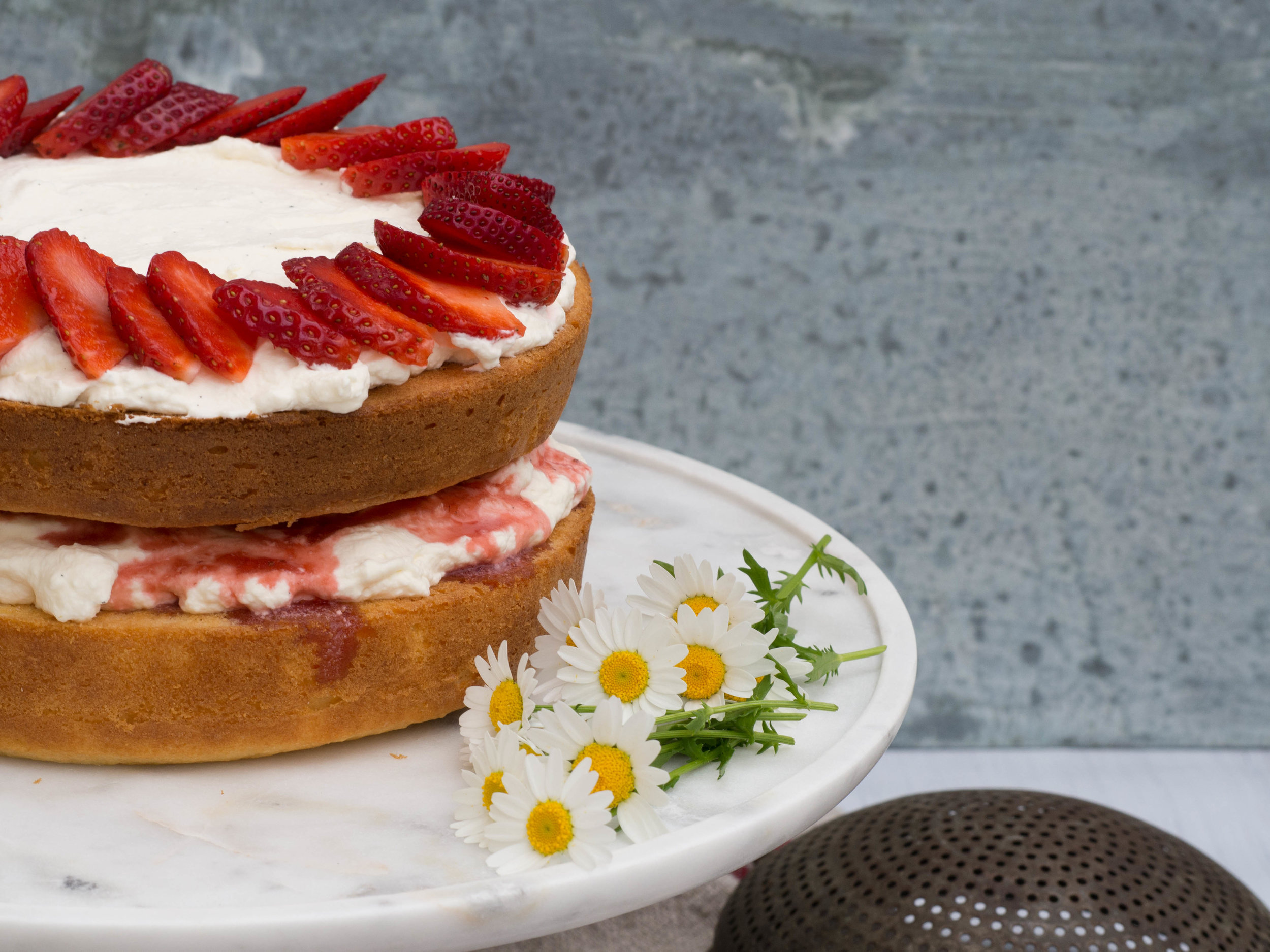
Strawberry & Earl Grey Cake 

Strawberry & Earl Grey Cake 

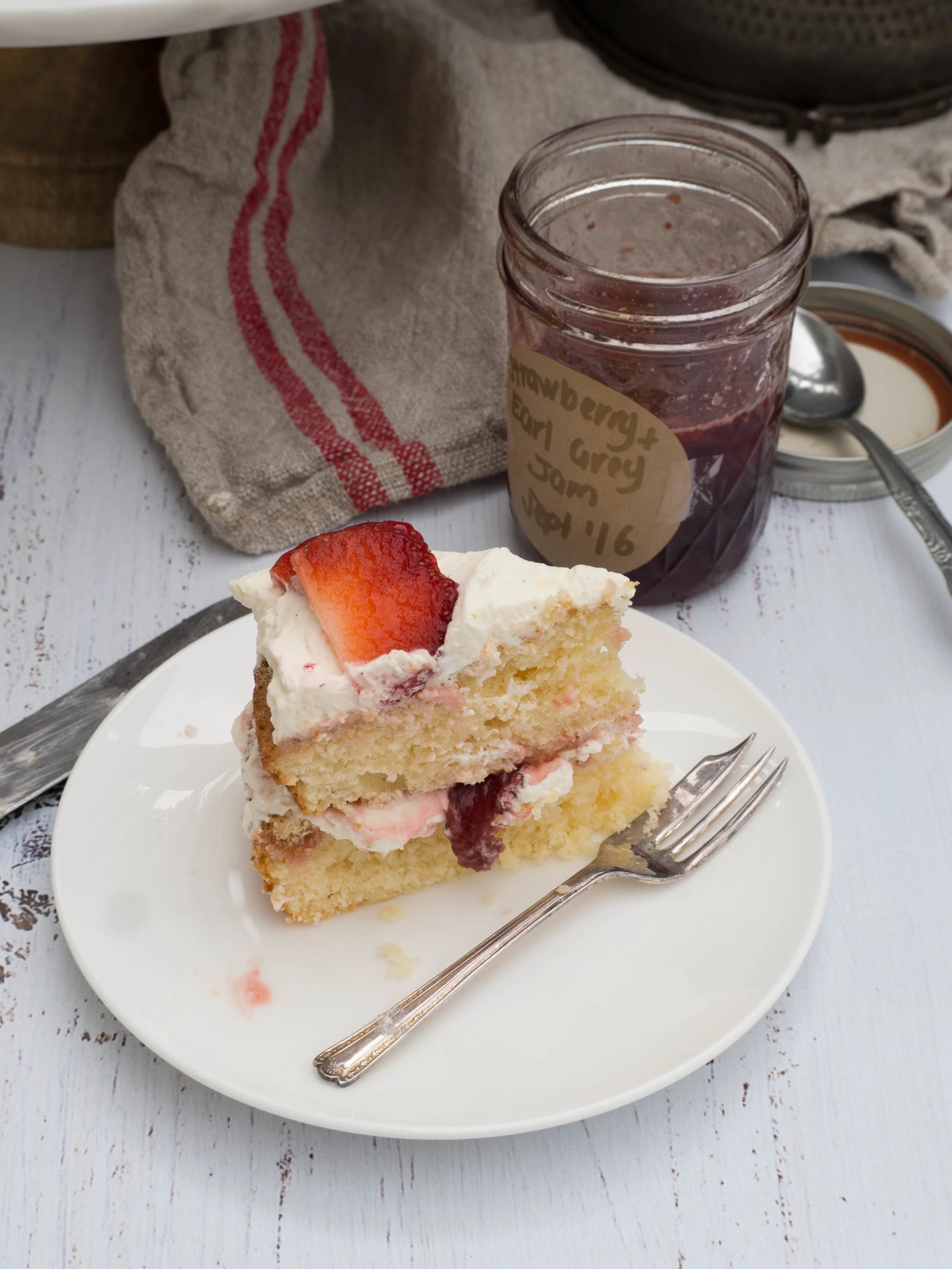
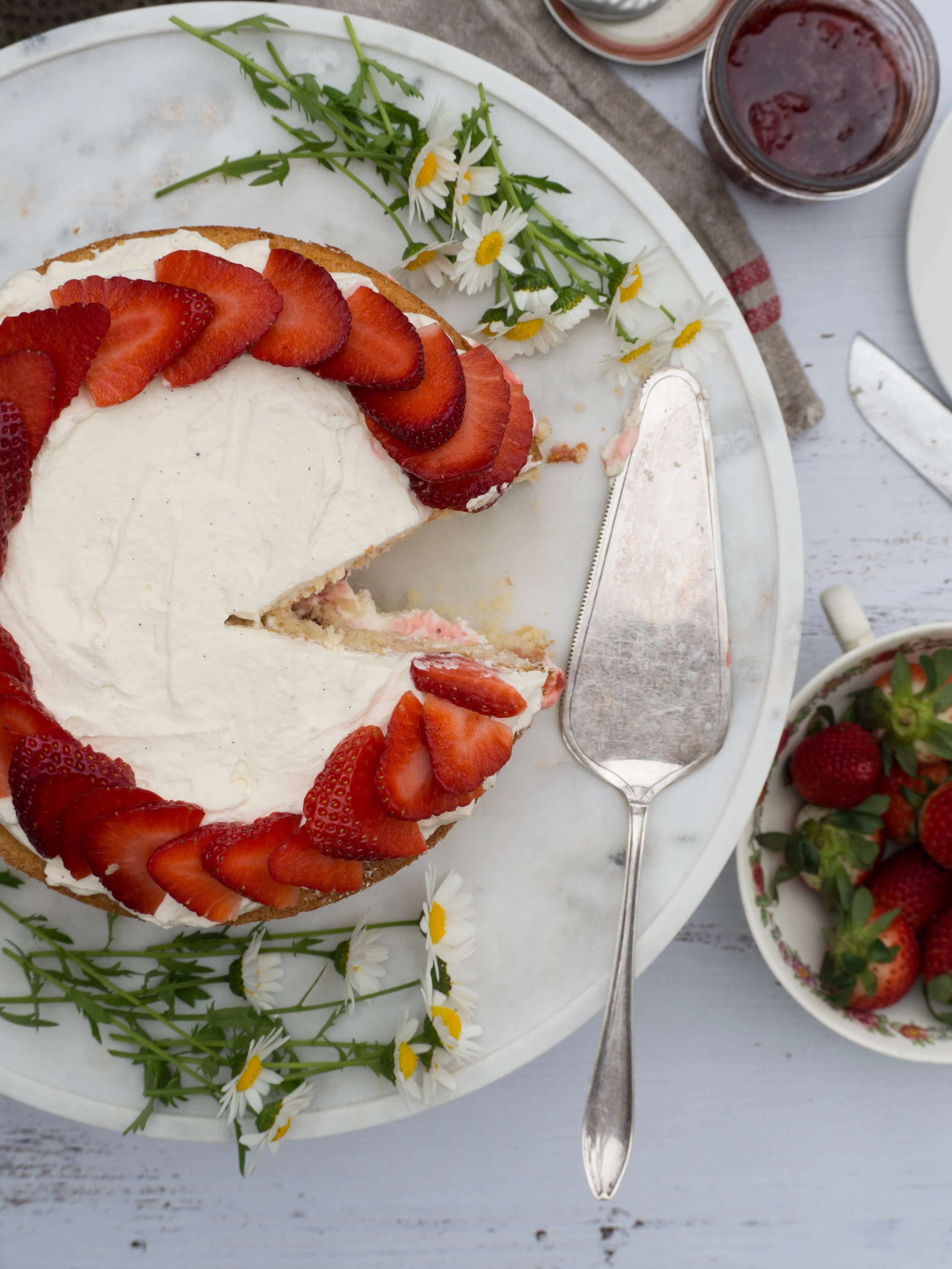
Strawberry & Earl Grey Cake + How to Make Strawberry & Earl Grey Jam

Kath January 22, 2017

Happy New Year! I hope everyone has had a lovely start to 2017. I am kicking off my first blog post for 2017 and celebrating three years of blogging, with this Strawberry Earl Grey Cake with Homemade Strawberry Earl Grey Jam. This cake, and the accompanying jam, are inspired by a Strawberry & Earl Grey jam I bought in Fortnum & Mason three years ago. They also make Earl Grey Shortbread which I love and compounded my desire to get my hands on some bergamots or bergamot essence so I could recreate these biscuits and jam at home. 

For about two years, I scoured gourmet food shops, online stores and kept an eye out pretty much wherever food is sold for bergamot essence. I didn’t hold out much hope for an actual fresh bergamot, but more on that in a moment. 

It wasn’t until later last year I was listening to back episodes of my new found favourite podcast, Radio Cherry Bombe, that I finally found someone who made bergamot essence. One of the interviewees for this particular episode was Mandy Aftel. Mandy creates fragrances from natural essences and also has a line of Chef’s Essences within her business, Aftelier Perfumes. 

As soon as I heard Mandy talking about her Chef’s Essences, I quickly looked up her website (while I was on the train to work no less), and checked what flavours she creates. And success! Finally I had found not only someone who stocked bergamot essence, but also shipped to Australia! I was beyond excited, and purchased some that night when I got home. I also picked up some blood orange essence and raspberry essence as well - I mean if you are going to pay for shipping you might as well get a few things right?! I have used the blood orange essence in marshmallows as an addition to blood orange juice, and will share a recipe on the blog soon that uses the raspberry essence. 

Not long after I found Aftelier Perfumes and received my coveted bergamot essence, I found a citrus tree supplier in Sydney who stocked bergamots! I was actually searching for nursery’s that sell blood orange trees, but happily stumbled across the bergamot as well! We now have a small bergamot tree, with three bergamots growing nicely, and a small blood orange tree which will hopefully fruit next year. If it were up to me alone we would have walked out with a quince, pomegranate and peach tree as well, but space in the garden not permitting we compromised on my favourite citrus instead. 

So now all is right in the bergamot searching world, and the list of baked goods I wish to create with it continues to grow. Next on my list will be recreating the Fortnum & Mason Earl Grey Shortbread! 
Recipe notes: The jam recipe is easily doubled. The bottled jam should keep for a year unopened so there is no harm in making more! A coarsely grated apple (I prefer pink lady) can also be added as part of the quantity of fruit. Apples naturally contain pectin so will help the jam set, and are a nice option if you don’t have pectin or jam sugar. 

The bergamot in both the jam and the cake can be either left out completely or substituted for vanilla. For the jam, either stir in a teaspoon or two of vanilla bean paste at the end of the cooking time or cut a vanilla bean in half and add at the beginning of the recipe then remove when bottling the jam. For the cake use either 1 tsp of vanilla extract or vanilla bean paste, or even a little lemon zest (or bergamot zest if you have any fresh bergamots!) in place of the bergamot essence.
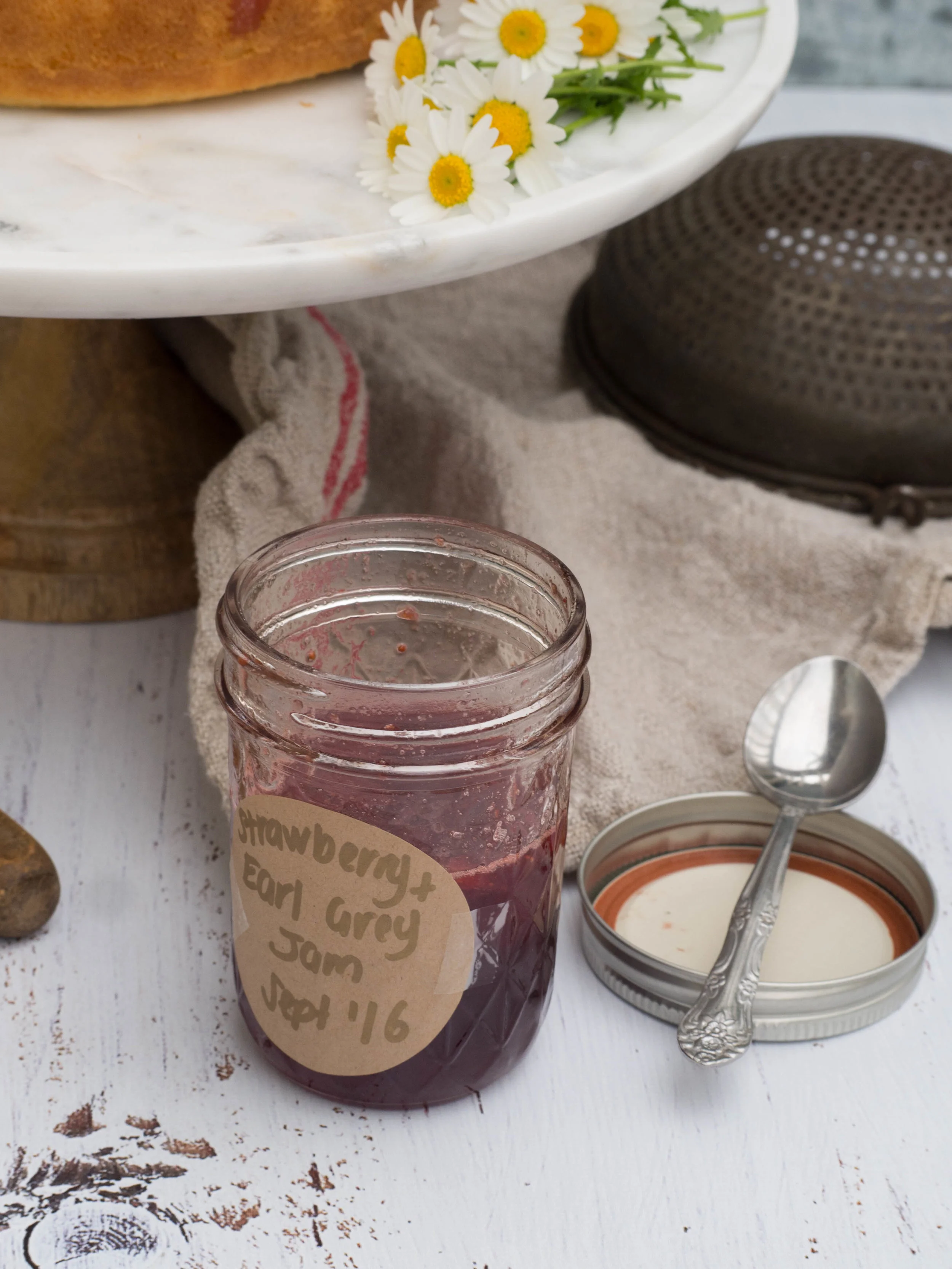
Strawberry Earl Grey Jam

Ingredients: 

500g strawberries, hulled and roughly chopped

40 ml lemon juice, plus extra 

440 g jam sugar (or the same of white sugar with about 2 tbsp pectin added)

3-4 drops bergamot essence, or 1 tbsp earl grey tea leaves tied in muslin


Method: 

Begin by placing two small plates in the freezer. You will need these later to test if the jam is jelling and ready to bottle. 

Then, pre-heat the oven to 90-100 degrees Celsius, wash four or five small/medium jam jars and lids in hot soapy water, then place the jars upside down on an oven shelf. Allow the lids to air dry. Leave the jars in the oven for at least 20 minutes. 

Whilst the jam jars are being sterilised, start making the jam. Using a large heavy based saucepan (preferably enamel, stainless steel or aluminium), mix all the ingredients together, including the muslin wrapped tea if using or 1-2 drops of the bergamot essence if using. Place on the stove and stir over high heat without boiling, until the sugar dissolves, then bring to the boil. Reduce the heat and allow the jam mixture to simmer uncovered for 15-20 minutes without stirring. The jam mixture should have reduced by the 15-20 minute mark (particularly if you are using jam sugar) and will also appear to have thickened. If necessary stir the jam a little ensure it is cooking evenly. 

After 15-20 minutes test the jam to see if it has reached jelling point. To test the jelling point of the jam, use one of the chilled plates and drop a small amount of the jam onto it. Leave for a couple of minutes, then push your finger through the jam. If a skin has formed over the jam and you can now see it wrinkling, the jam is ready. If it is not ready, leave to cook for a few more minutes and/or add some extra lemon juice or pectin. Then use the remaining chilled plates to test if the jam has jelled. Check the earl grey flavour at this point, if you need more add another drop or two of the bergamot essence if using.

Once the jam has reached jelling point, remove the sterilised jars from the oven and place onto a flat surface covered with an old tea towel (so much easier than cleaning sticky jam of your bench!). Using a wide mouthed funnel or jam funnel, pour the hot jam into the hot sterilised jars. Fill right to the top and seal immediately. Leave to cool, and store in a cool dark place. This jam should last about 1 year stored correctly and unopened. Once opened keep in the fridge.

For jam making tips please see this previous post. 
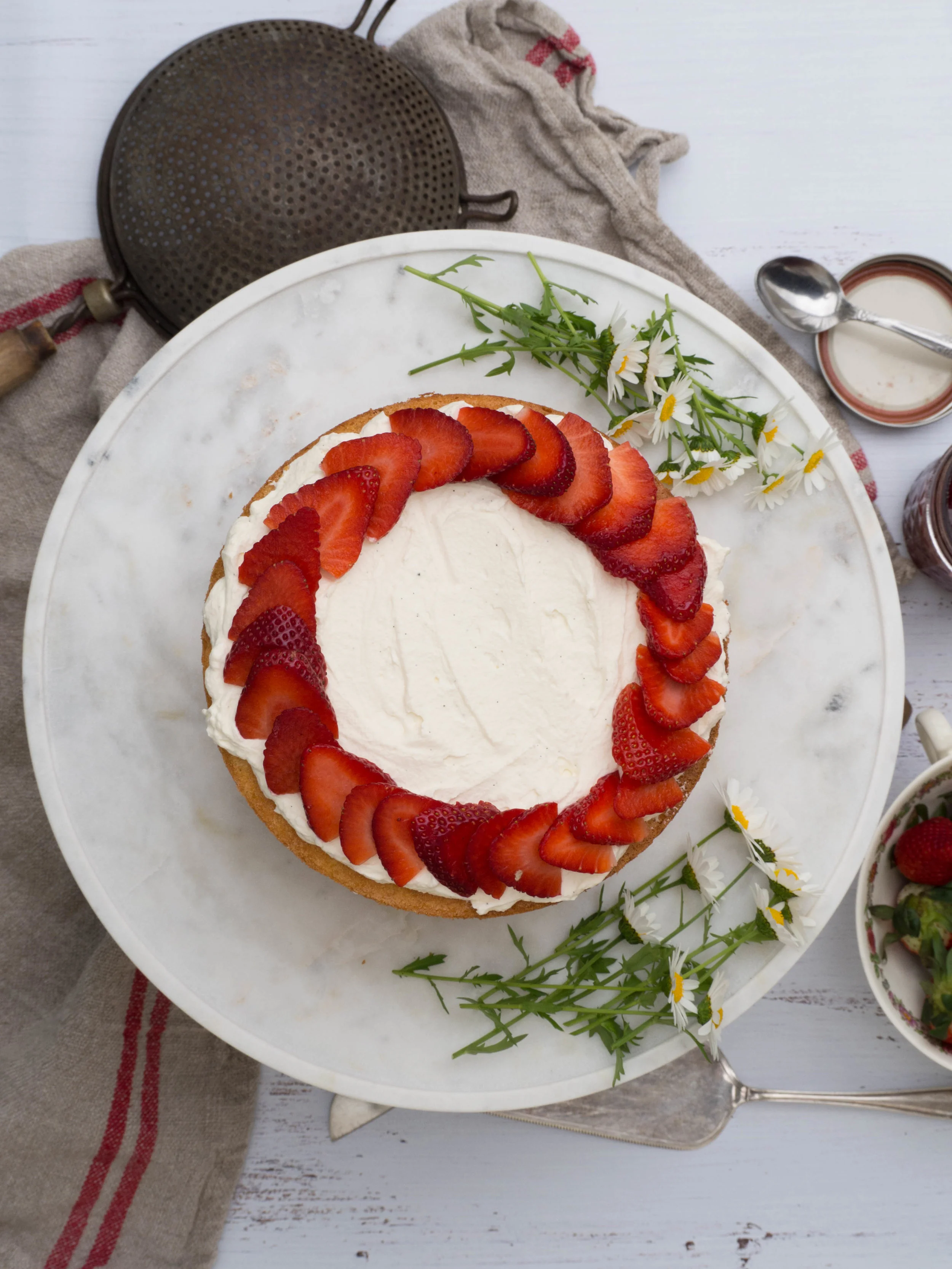
Strawberry Earl Grey Cake

Ingredients: 

125 g canola based (or other flavourless) margarine or softened unsalted butter

165 g golden caster sugar (raw caster sugar)

1-3 drops bergamot essence

2 eggs 

250 g self-raising flour

105 ml milk 

300 ml pouring cream

1/2 tsp vanilla bean paste

strawberry early grey jam

extra strawberries to serve


Method: 

Pre-heat oven to 160 degrees Celsius, and line two 18 cm round spring form or loose bottomed cake tins. 

In the bowl of an electric mixer, beat the margarine/butter, sugar and 2 drops of bergamot essence until light and fluffy. 

Beat in the eggs one at a time, then add half the flour and half the milk and mix. Add the remaining flour and milk and mix on medium speed until well combined. Taste the batter at this point if you want to check the bergamot flavour - add a drop more if you want the flavour to be stronger and briefly mix into the batter.

Divide the mixture evenly into each cake tin and smooth the top. Bake for about 40-50 minutes or until the cake is lightly golden in colour, springs back when touched lightly and a skewer comes out clean. 

Cool in the tin for a few minutes then transfer to a cooling rack and leave until completely cooled.

Once the cakes have cooled completely, whip the cream with the vanilla until soft peaks form. Place one cake on a serving plate or cake stand and spread some of the strawberry earl grey jam over the top - start with 1-2 tbsp and go from there. 

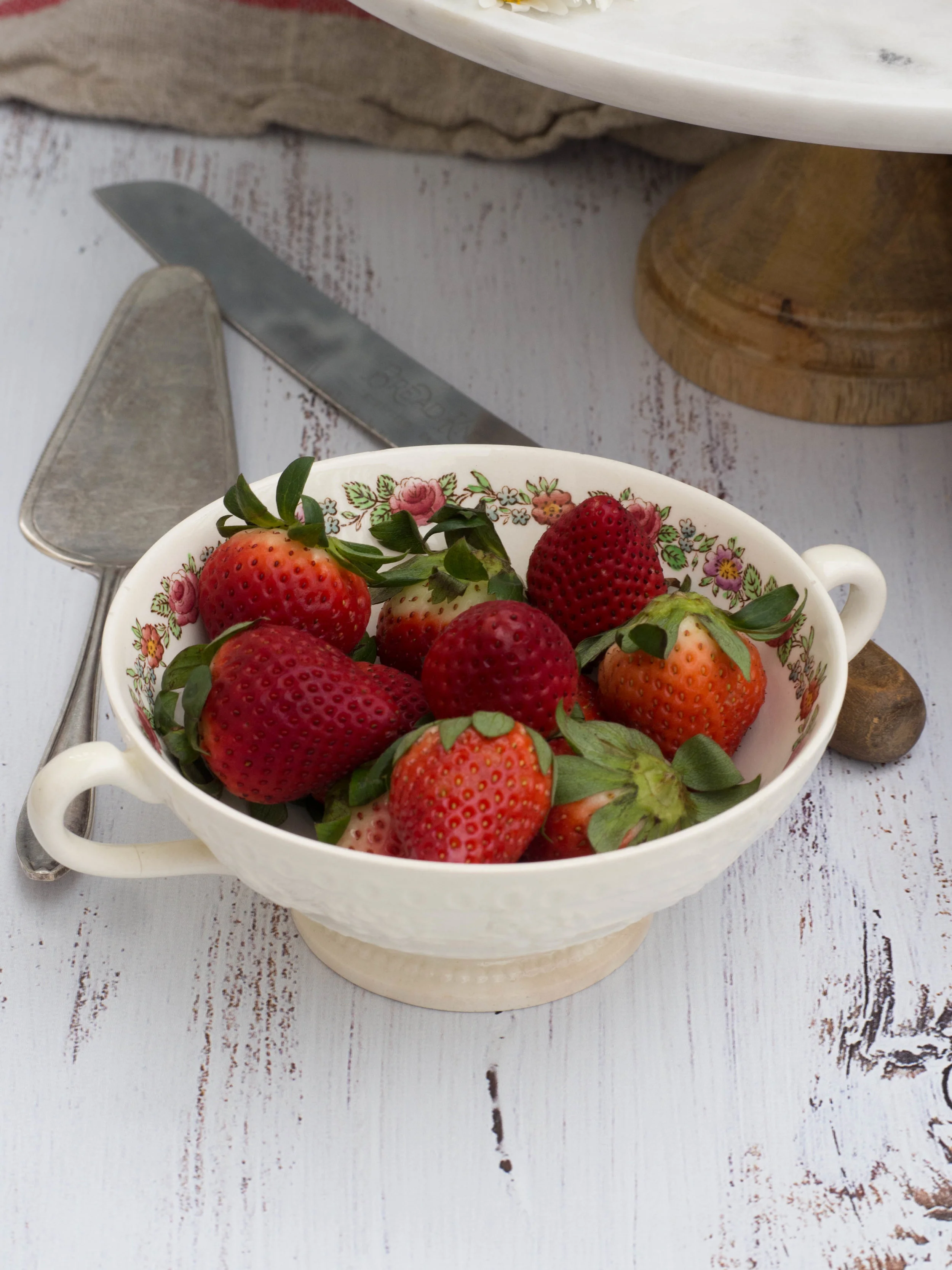
The thickness and consistency of your jam will determine how much you use. The thicker and more set it is the more you can use without it running down the sides. Spread 1/2 to 3/4 of the cream over the jam and top with the remaining cake. Gently spread the remaining cream over the top of the finished cake and decorate with fresh strawberries.
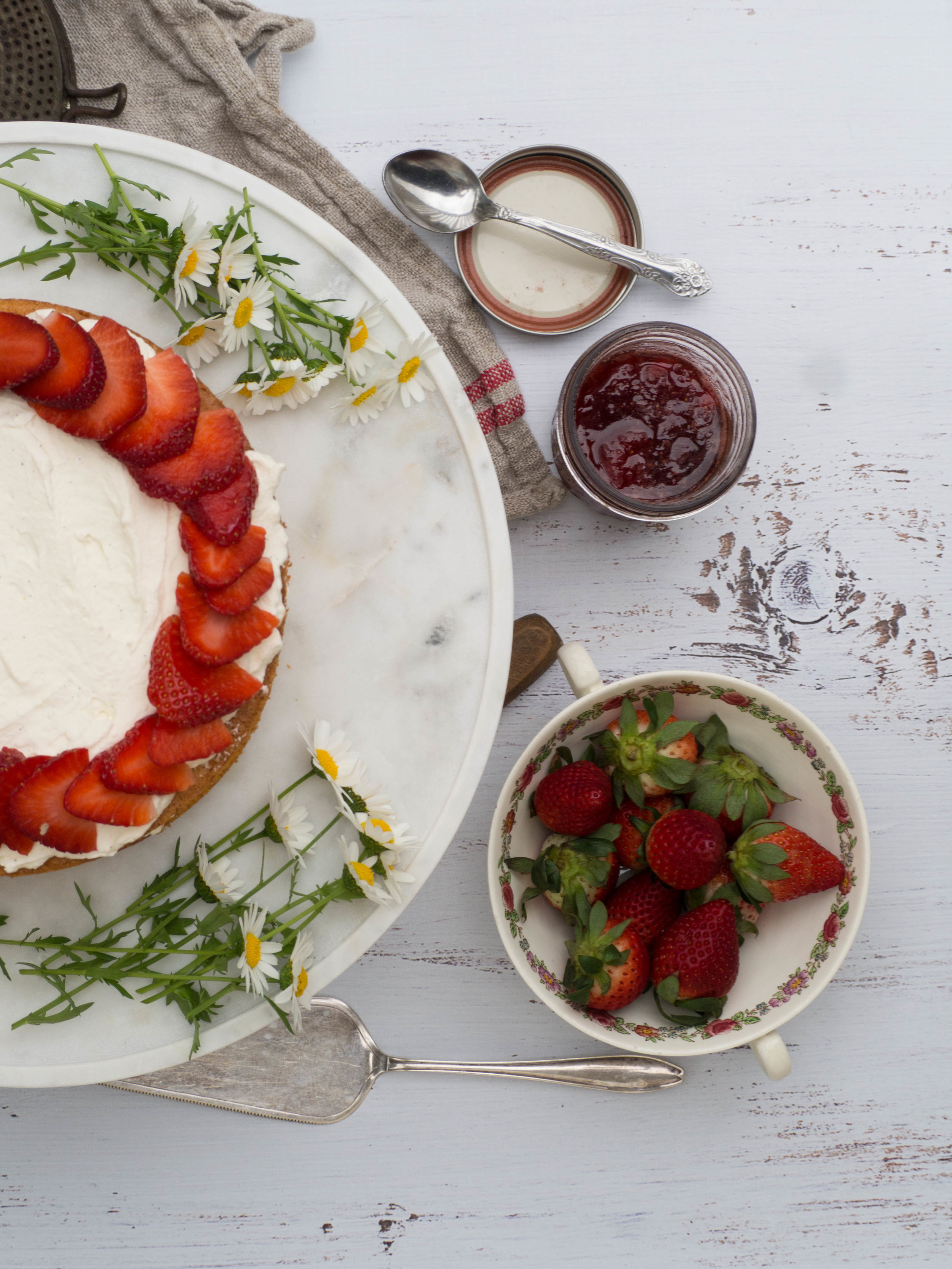
In Cakes & Slices, Jams Preserves & Spreads Tags strawberry, Earl Grey, Bergamot, Cake, jam, Homemade Jam
2 Comments
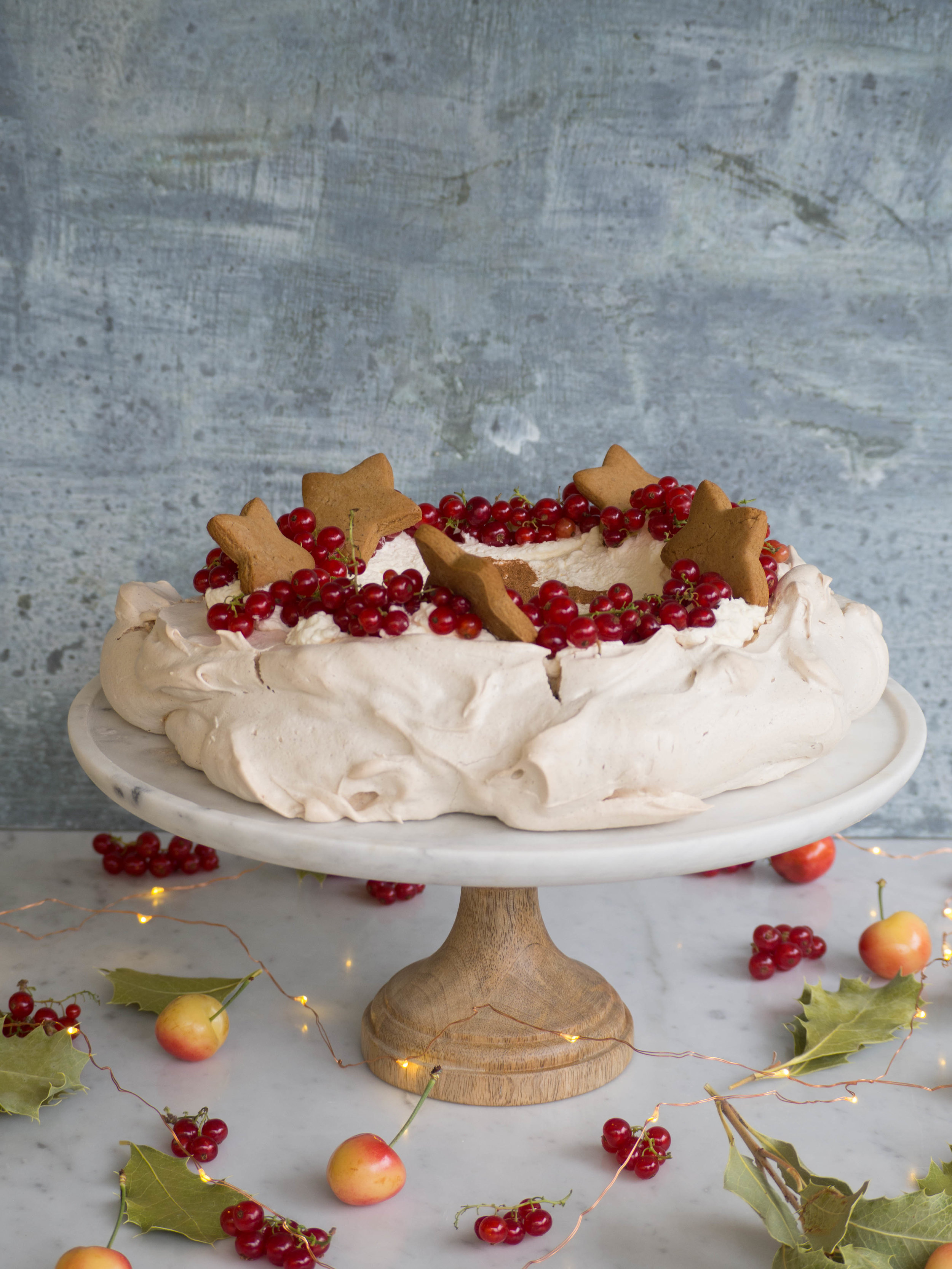
Gingerbread Pavlova

Gingerbread Pavlova

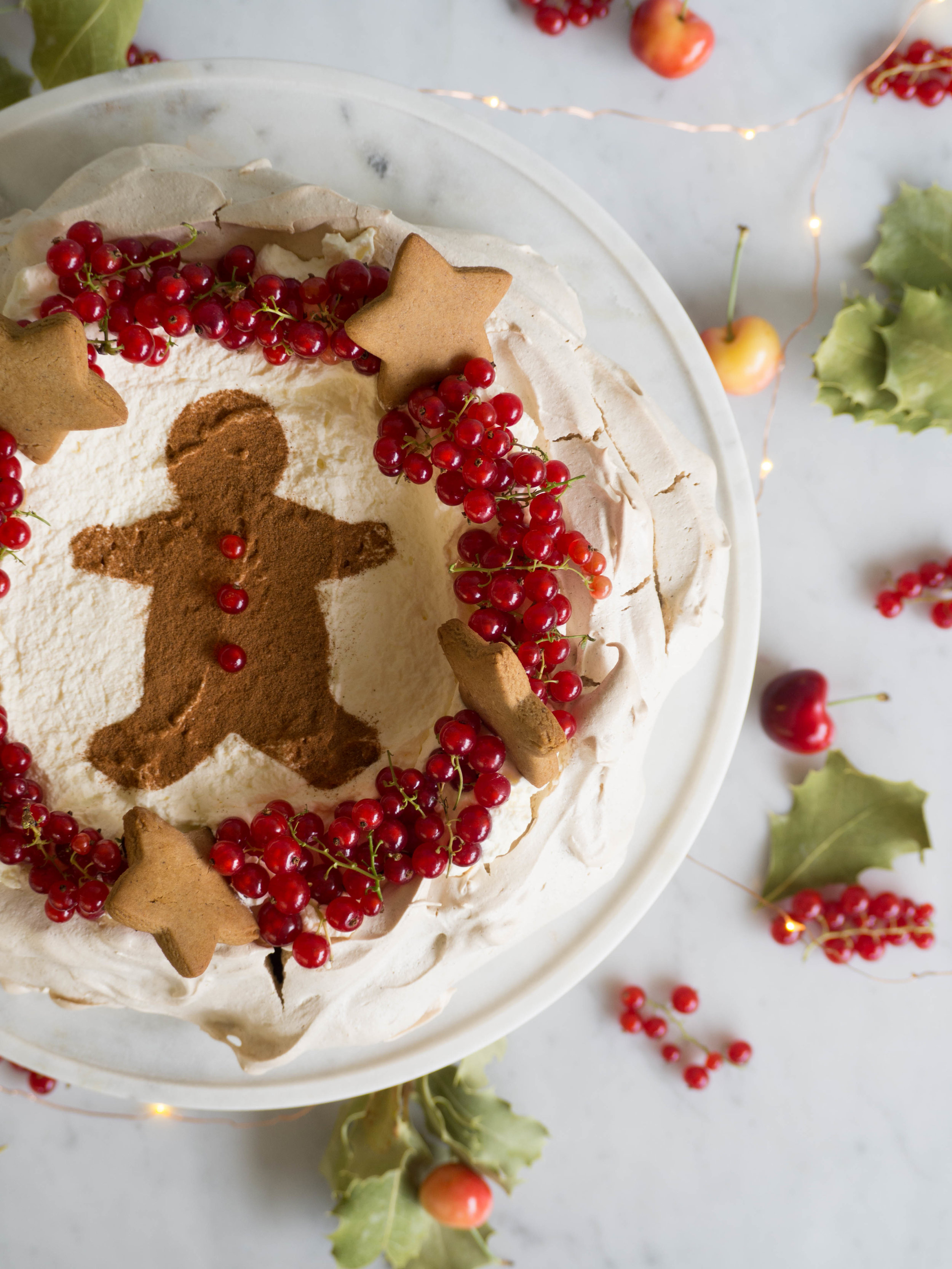
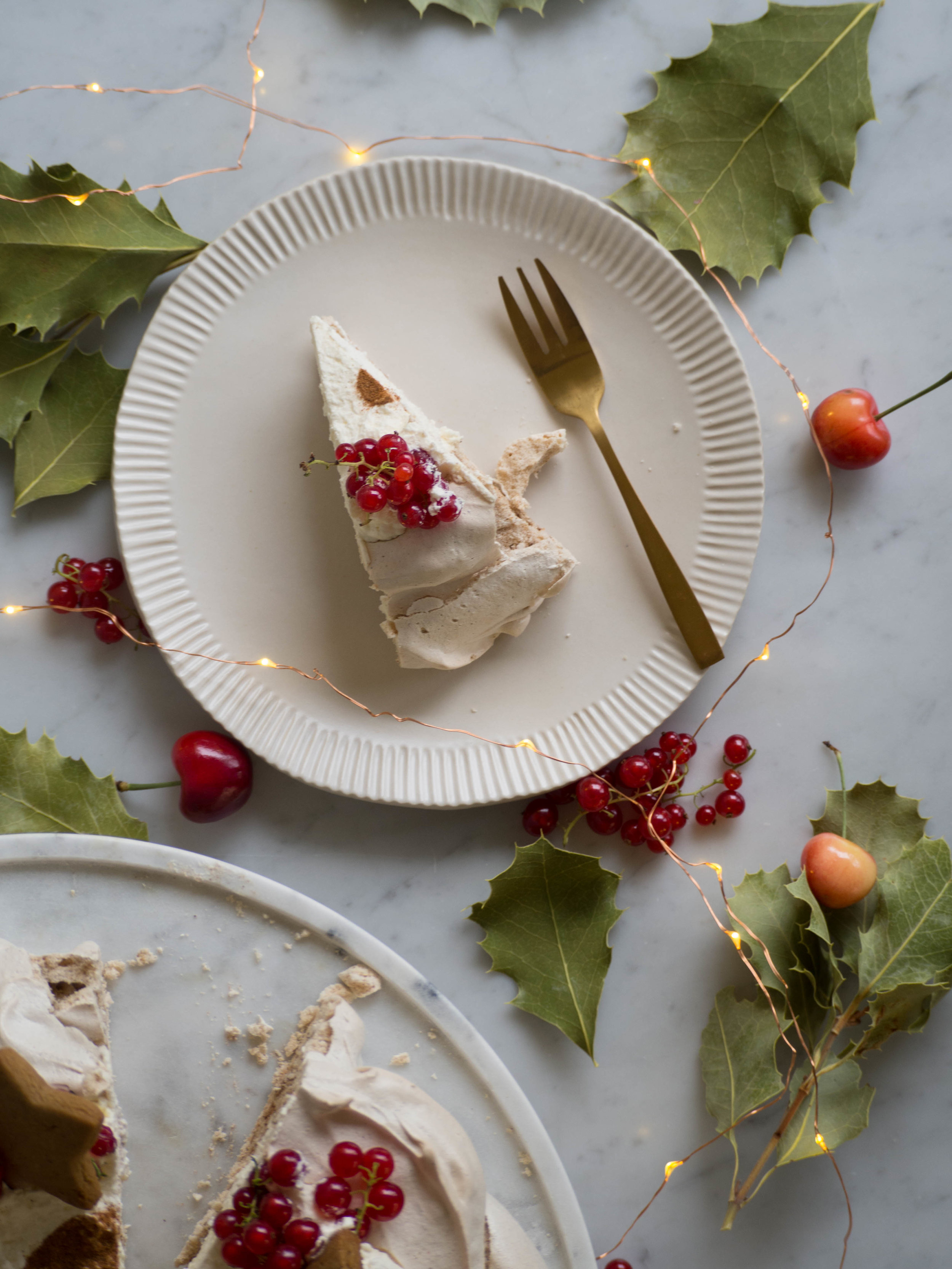
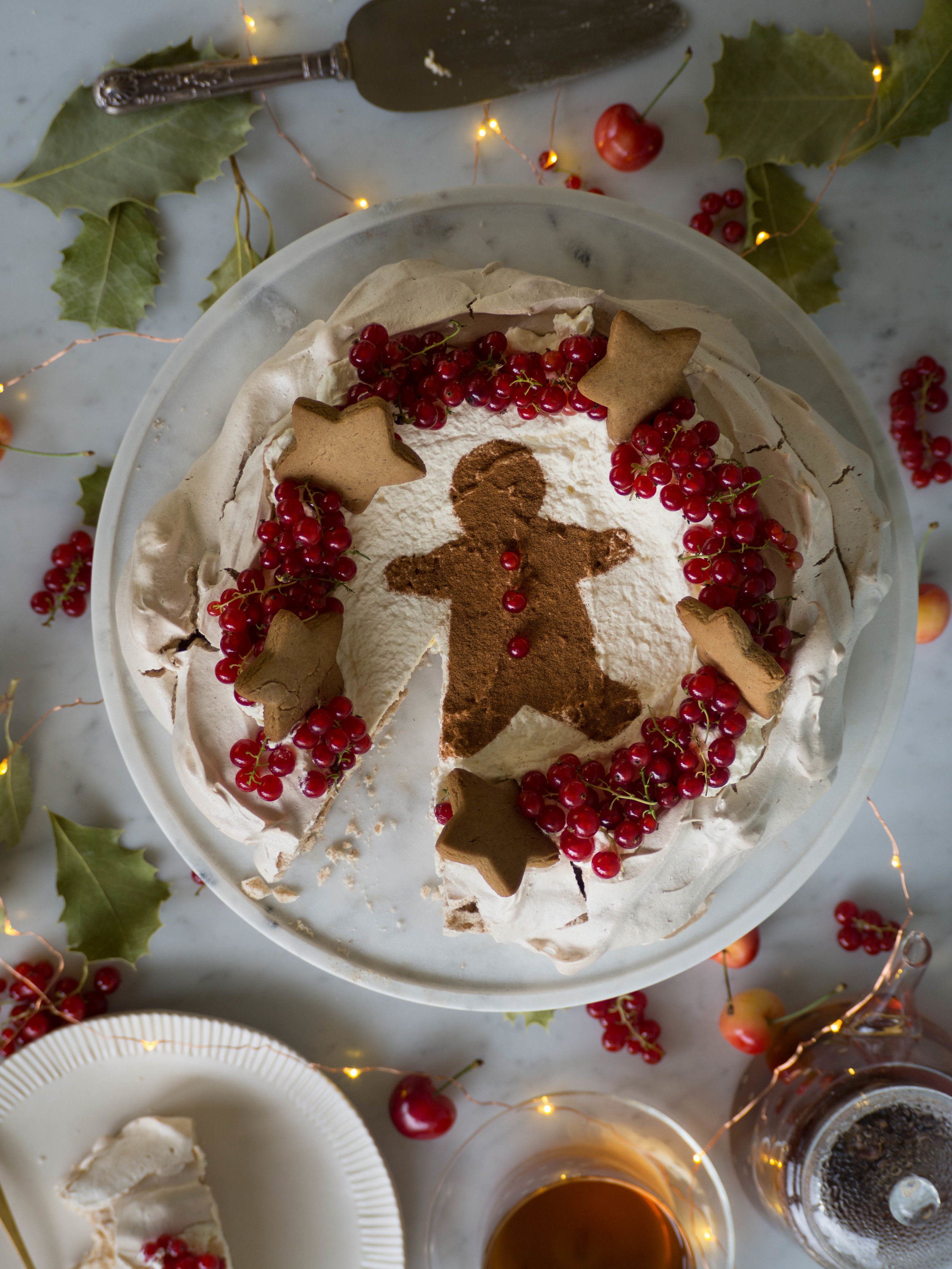
Festive Gingerbread Pavlova (Gluten Free)

Kath December 21, 2016

Up until about a week ago, I wasn't feeling festive at all. Christmas not only felt a while away, but the previous one still felt so recent. So recent, I wasn't feeling in any way inspired to create or bake something new for Christmas. All I could think of was the gingerbread cake I made last year, which I really liked and the many pavlovas I made made in the years previous to that (the most recent Christmas Pav being this one). So, after mulling this over for a little bit, and starting to slightly freak out that Christmas would come and go without me posting any Christmas related recipe here, it suddenly dawned on me that the perfect Christmas dessert this year would be a combination of my favourites from previous years. And thus this Gingerbread Pavlova was born. 

I am so happy with it, and have almost single handedly eaten most of it myself (calories don’t count at Christmas, right?). I know I have a few Pavlova recipes floating around on the blog, but the base of this recipe (my Grandma’s) is very special to me, and I seem to never cease to come up with new adaptations of it. Pavlova was something my Grandma often made at Christmas, and was her go to Summer time dessert. For me, despite not having too many family Christmas traditions, Pavlova is definitely a dessert that must be on the table for it to be actually Christmas for me. 

My only other Christmas food traditions (or requirements) are a ham, some gingerbread biscuits and a rather large quantity of white cherries. The only other traditions we have that I can think of are that whether the presents are from Santa or not, and whether we are actually adults now or not, the ‘Santa’ presents can only go under the tree after we go to bed on Christmas Eve. None of this being very organised and putting them out early. Like the time, a decade ago Mum and I were away for Christmas and Dad put the presents out a day early. My brother was extraordinarily unimpressed and still to this day mentions how Dad did it all wrong. It’s funny how the things we grow up with still mean so much later in life and have become a family tradition, whether it makes sense or not!
I really enjoyed hearing about the Christmas traditions of others on the most recent My Open Kitchen podcast (series 2 episode 2). I listened whilst baking and it definitely got me thinking about my family’s traditions and got me feeling much more festive. If you have some time before the big day, I definitely recommend giving it a listen. I also really enjoyed Nigella Lawson’s ‘Seasonal Sound Bites’ Christmas podcast series. I never tire of listening or watching Nigella talk about food, and her eloquent musings on Christmas were definitely no exception. 

I hope you have a wonderful holiday season, and a great new year! Thanks for following along with my kulinary adventures this year, see you in 2017 - happy baking!

Gingerbread Pavlova

Ingredients: 

4 egg whites

250g golden caster sugar (or caster sugar)

1 tsp white vinegar 

1/2 tsp vanilla bean paste 

1 tsp ground ginger

1tsp ground cinnamon

1 tsp ground cloves

1/2 tsp all spice 

1/4 tsp maple essence

20g cornflour 


To decorate: 

300 ml pouring cream 

1 tsp ground cinnamon 

1 punnet red currants 

4 small star shaped gingerbread biscuits, optional. I used this recipe, which will make about 70-80 small star shaped biscuits.


Method: 

Pre-heat oven to 200 degrees Celsius. Line a large baking tray with baking paper, and trace a circle approx. 26 cm in diameter (I used a dinner plate). 

In a clean dry bowl, beat the egg whites for 5-6 minutes, whilst gradually adding the sugar. Add the vinegar, vanilla and maple essence and beat until the mixture is stiff and glossy. 

Sift cornflour and spices over the mixture, and gently fold to combine. 

Place mixture onto the tray in the middle of the drawn circle. Push the mixture around to form a circle, leaving a small border around the edges. Try to keep the edges a little higher than the middle so any filling can sit comfortably in the middle later. 

Turn the oven down to 125 degrees Celsius, and cook undisturbed for 1.5 hours. 

After 1.5 hours, turn the oven off and leave the pavlova to cool completely in the oven (or overnight). 
If decorating as pictured you will need to create a gingerbread man stencil. Do so by tracing a medium/large gingerbread man biscuit cutter on to a piece of baking paper (big enough to cover the surface of the pavlova). Cut out the inside of the gingerbread man, so you are left with the piece of baking paper with a gingerbread man shaped hole in the middle. 

Just before you are ready to serve the pavlova, whisk the cream until soft peaks form. Fill the centre of the pavlova with the cream, and smooth the middle a little. Place the gingerbread stencil over the cream, with the gingerbread man centred in the middle of the pavlova. Carefully sift the cinnamon over the cut out, then carefully remove the stencil. Use three red currants to give the gingerbread man some buttons, then use the remaining red currants to decorate the rim on the pavlova (where the edge of the cream and pavlova meet). Add the gingerbread biscuits and serve.

In Heirloom Recipes, Holidays, Other Desserts Tags Pavlova, Gingerbread, Christmas
Comment
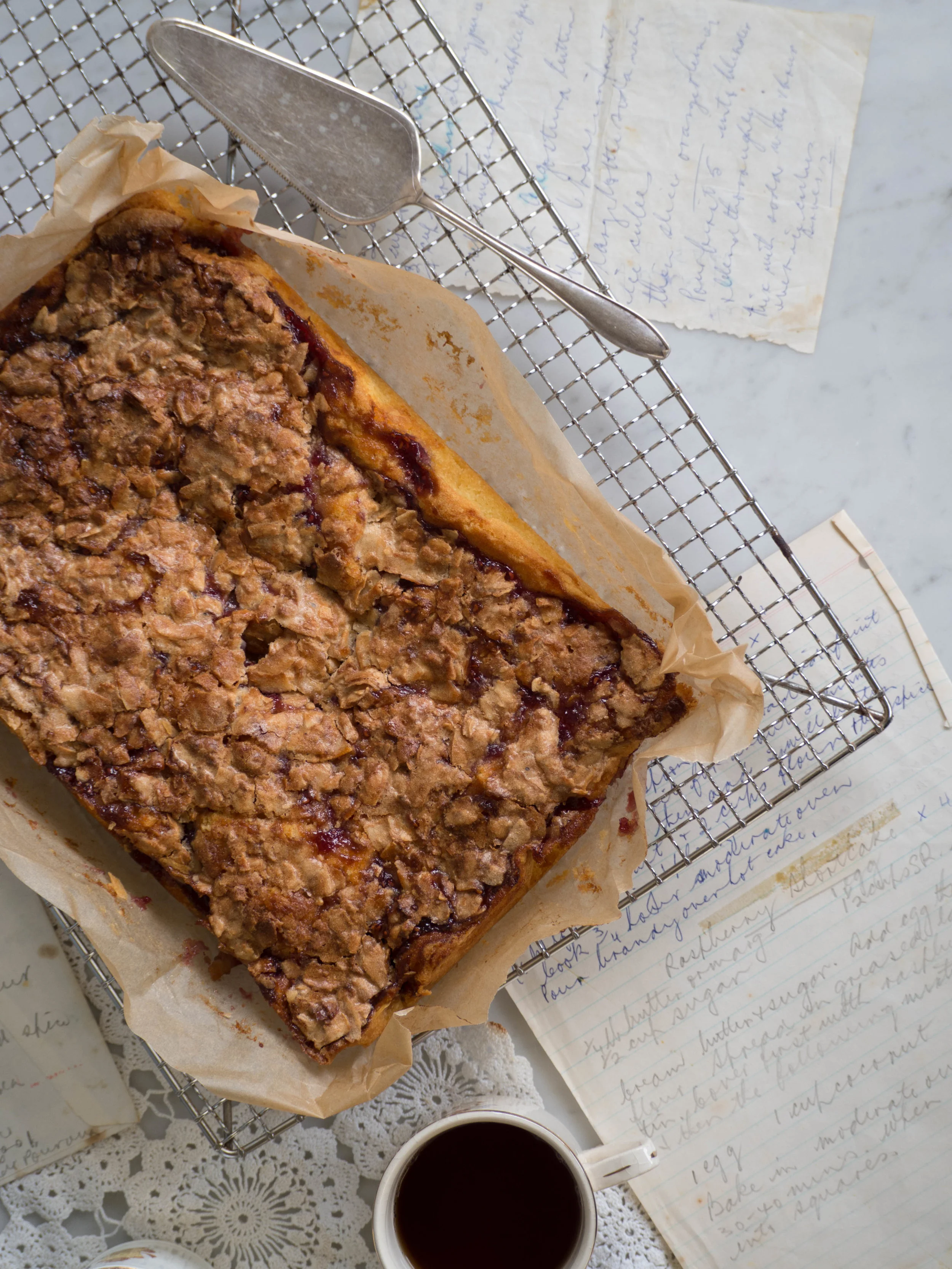
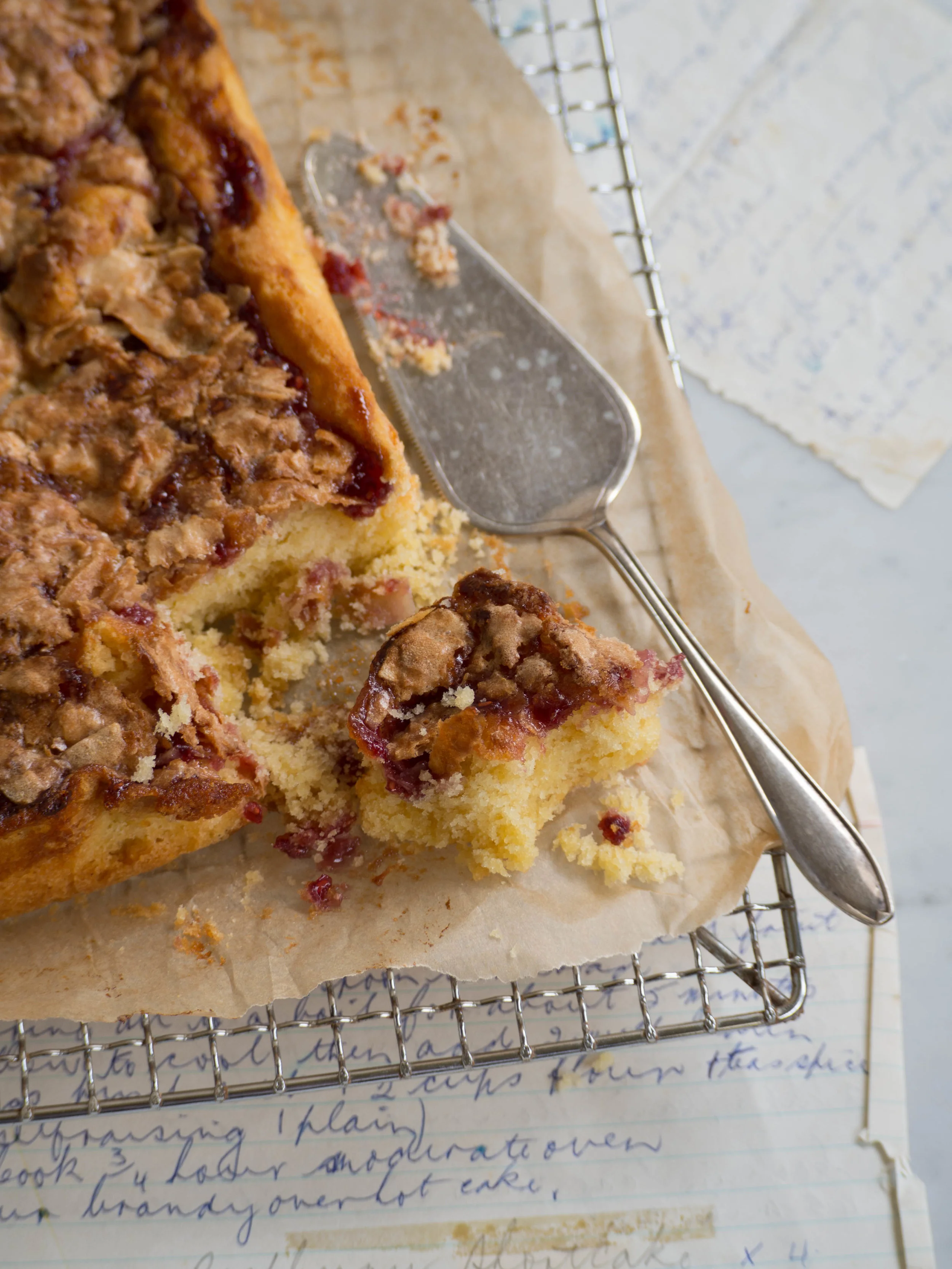
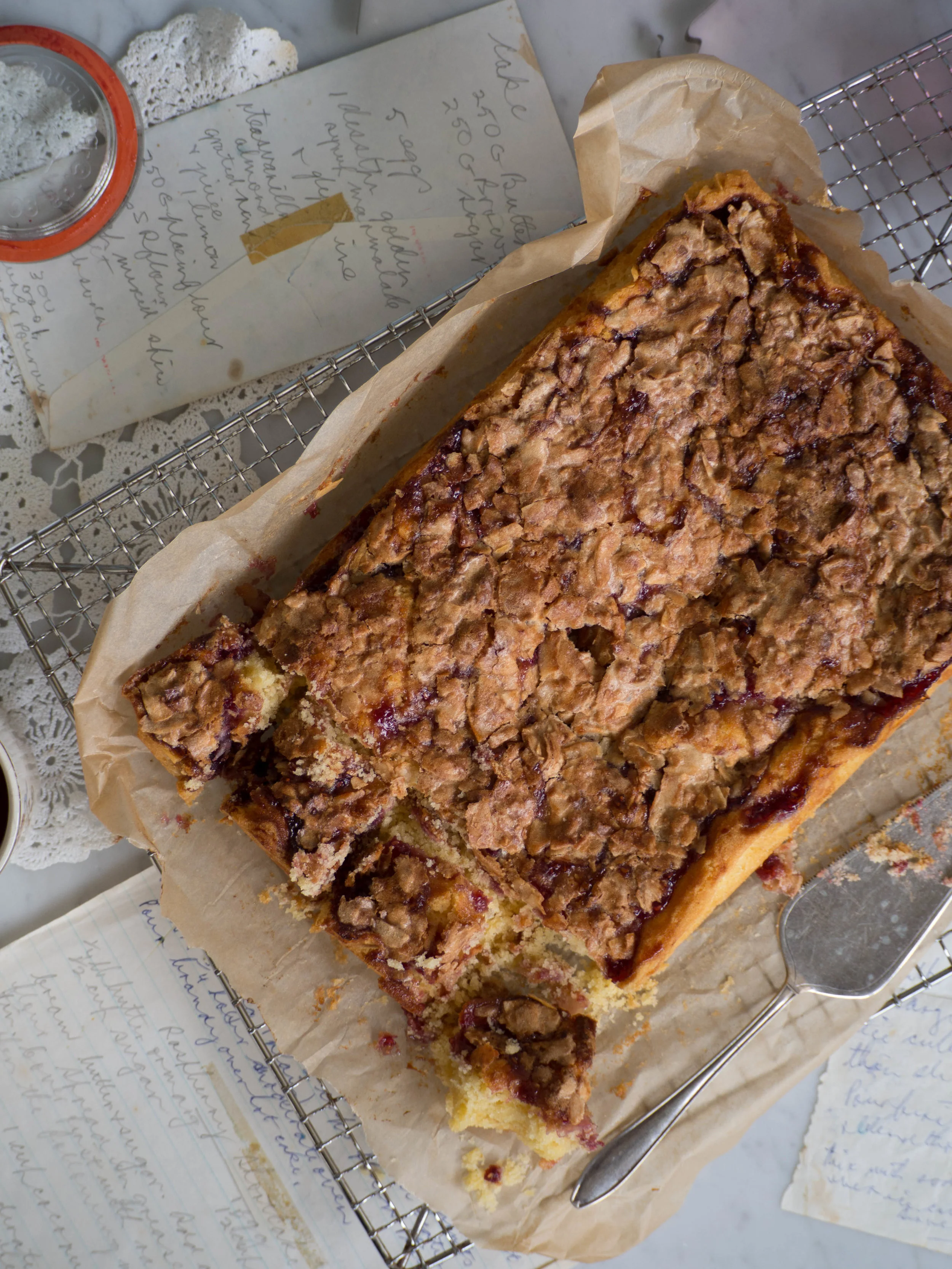
Mixed Berry Shortcake

Mixed Berry Shortcake

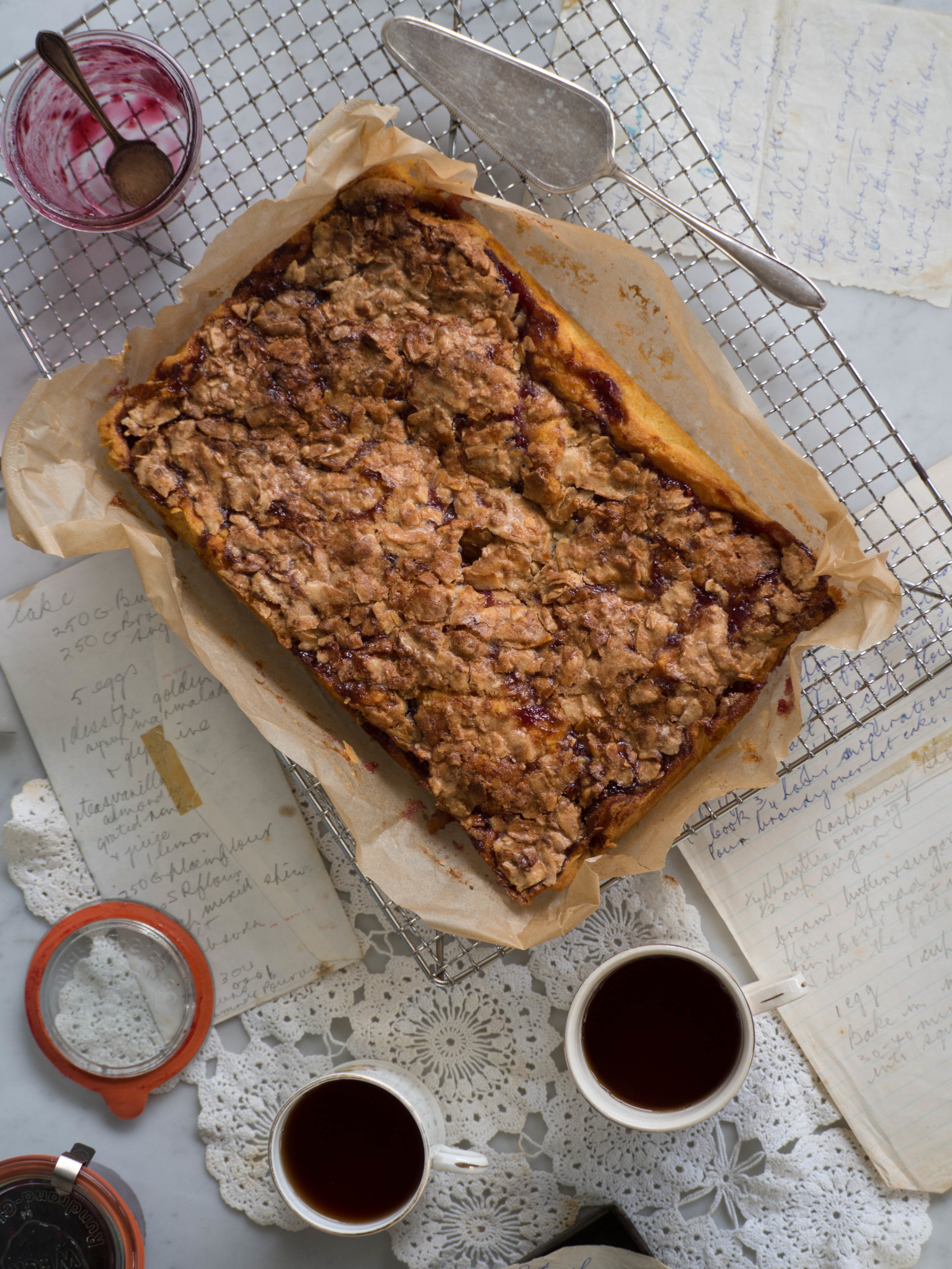
Mixed Berry Shortcake

Kath November 28, 2016

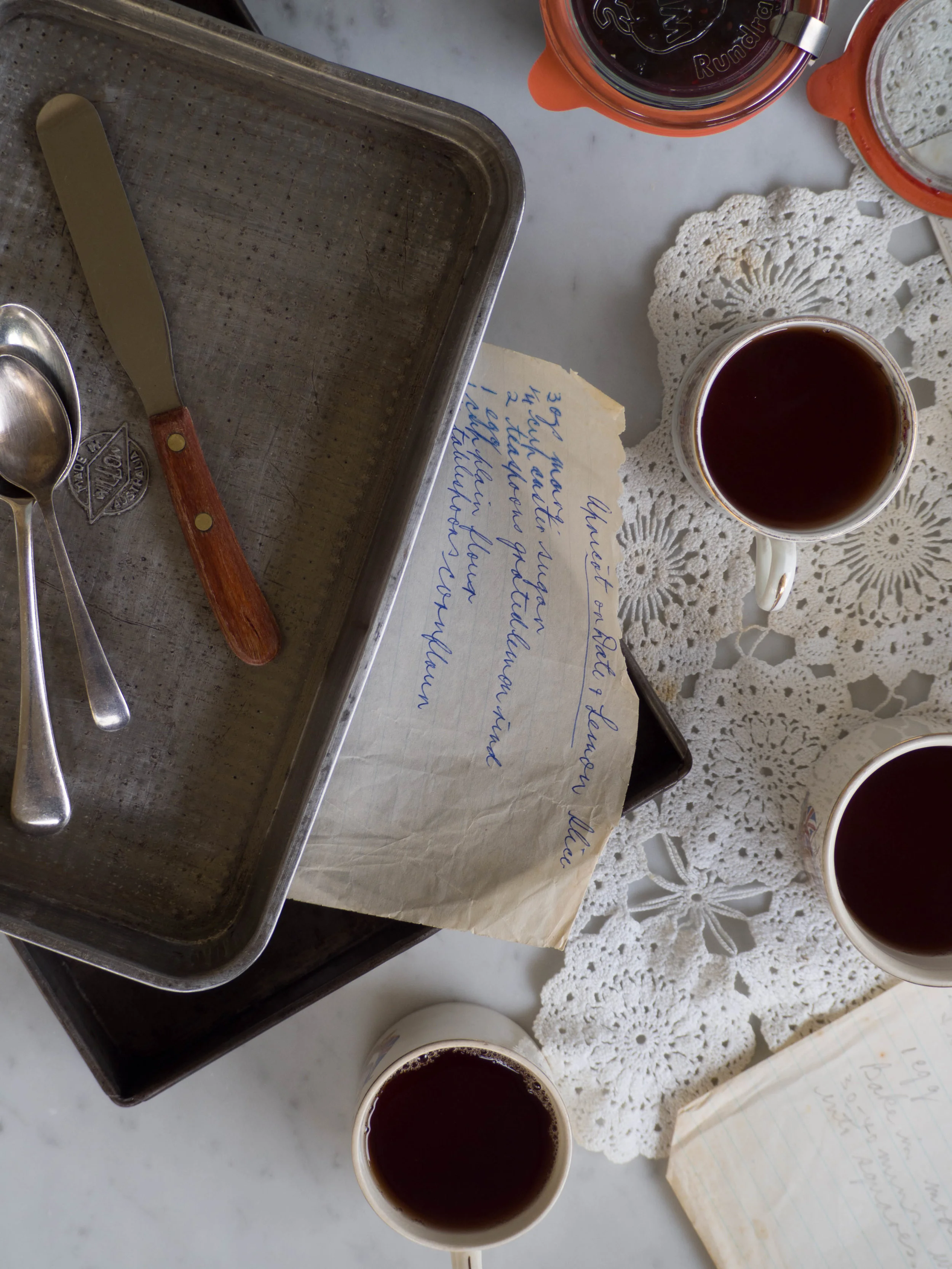
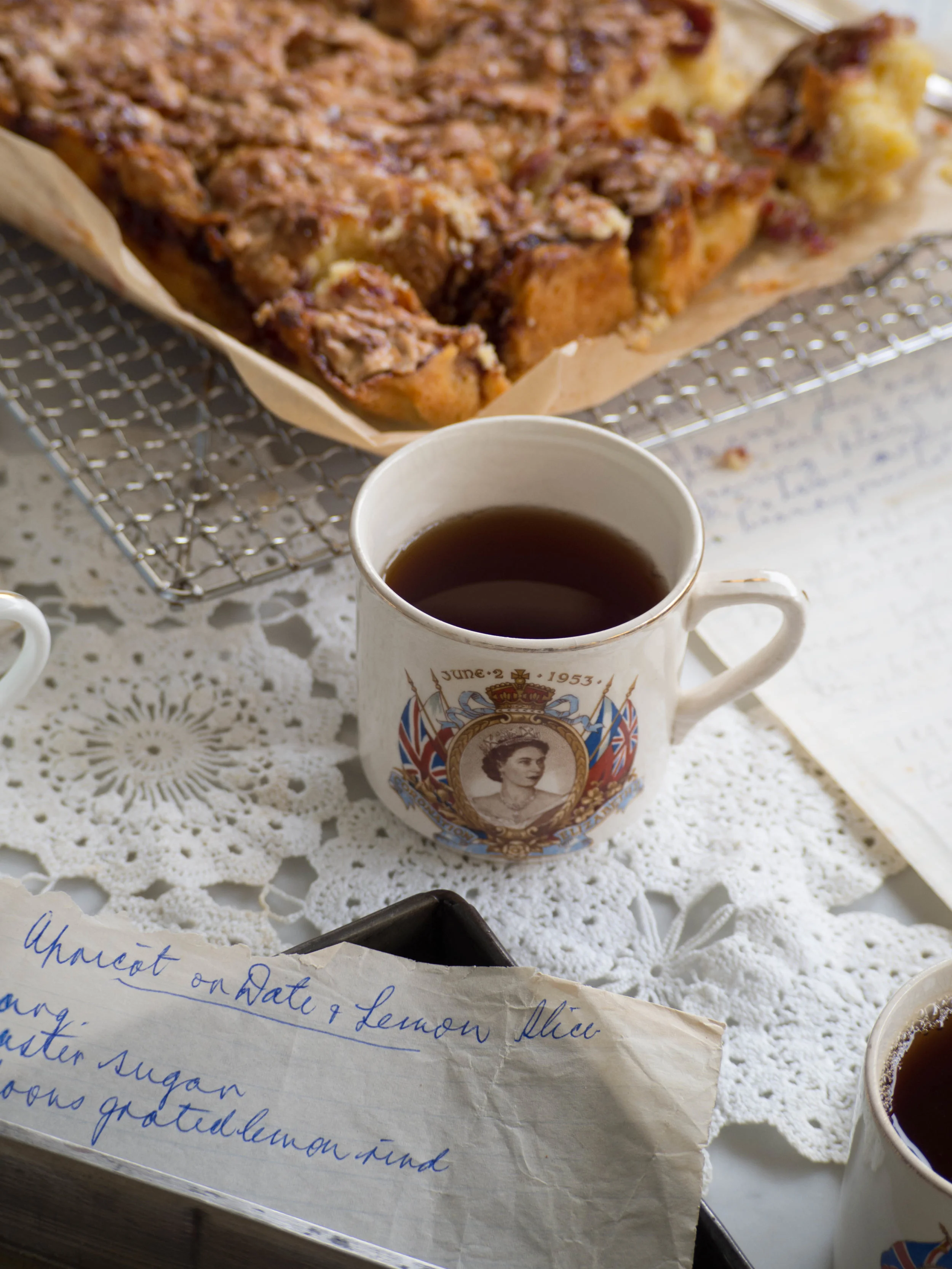
This is another recipe I have found in my Grandma’s collection. I never remember her making it, I think by the time grandchildren came along her baking repertoire had been much refined to her favourites and she didn’t seem to sway from them very often. Not that any of us complained. There was comfort knowing your favourite would be served to you when you visited or brought with her to share when she came over to us. Even if the baked good du jour wasn’t your favourite, it was still one of her well known staples. 

Looking back, it probably would have been slightly shocking if Grandma turned up with some new baked creation - I mean, no one likes change, do they?! Particularly where nostalgic baking is concerned. I remember one time Grandma was inspired by a pavlova made at a cake shop I was working at at the time, which was quite different to hers. When we next had dinner she made a pavlova, but had lightly crushed some toasted hazelnuts and mixed them through the meringue before cooking. I was silently horrified that my beloved pavlova had been altered and didn’t have the heart to tell her that hazelnuts were not the ‘secret ingredient’ of the pavlova she was trying to re-create. In hindsight, I probably should have encouraged my Grandma’s baking creativity a little more. Maybe then more family favourites would have been found and more baking discussions would have been had. But I guess now, I will have to be happy with the cookbooks and handwritten recipes I have from her, and the memories we did create in the kitchen. 

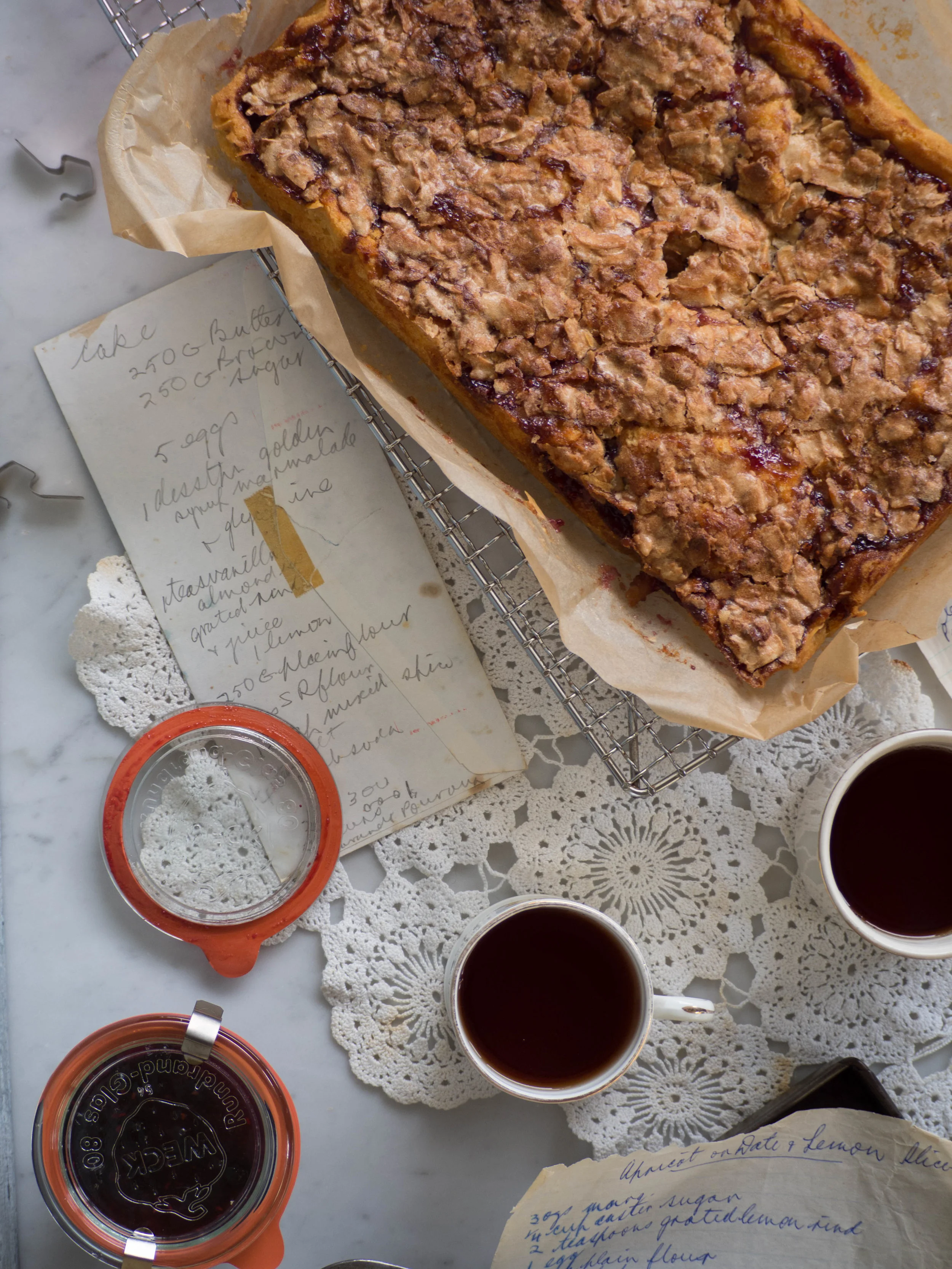
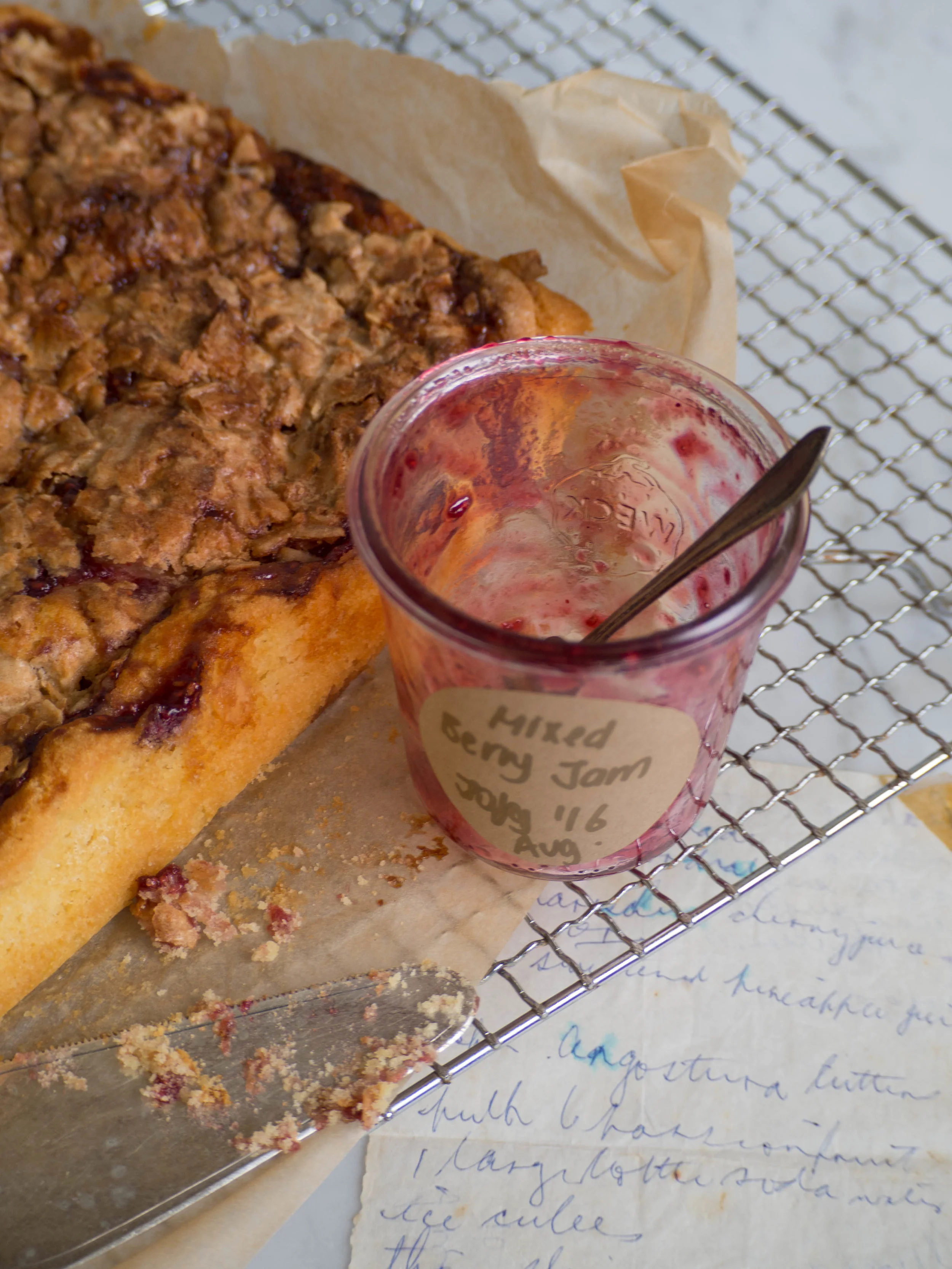
This shortcake, is kind of a slice/cake combination and is very simple to make, and very easy to eat! Many jams would work here, but I can rarely pass up a good berry jam. 

Mixed Berry Shortcake

Ingredients: 

340g margarine (flavourless) or unsalted butter

240g caster sugar 

1 tsp vanilla extract

2 eggs 

250 g self-raising flour 

210g mixed berry jam (I used this homemade jam) 

55g coconut chips or shredded coconut


Method: 

Pre-heat oven to 160 degrees Celsius, and line a 30 x 20 cm (approx.) lamington tin (I use this one). 

Cream together the margarine, 120 g of the sugar and the vanilla until it becomes light and fluffy. Then add 1 egg and mix well to incorporate. Add the flour and mix to combine. 

Evenly spread the mixture into the lamington tin, ensure you push it into the corners. Gently spread over the jam. 

Then in a bowl, gently whisk the remaining egg with a fork, then add the coconut and remaining sugar. Mix well to ensure the ingredients are well incorporated. Gently spread the coconut mixture over the jam. The coconut mixture will only end up being a thin layer over the jam - it may look like there isn’t enough but don’t worry, it will work! 

Bake for about 40 minutes, or until the top has turned golden brown and the cake underneath is cooked through (use a skewer to check). Remove from the oven and leave in the tin for about 5 minutes to start cooling, then transfer to a wire rack to cool completely. 

Cut into squares and serve with tea, and maybe some cream! 

The shortcake will keep in an airtight container for a few days.

In Cakes & Slices, Heirloom Recipes Tags heirloom baking, Berry Jam, Slices, shortcake, Grandma
Comment
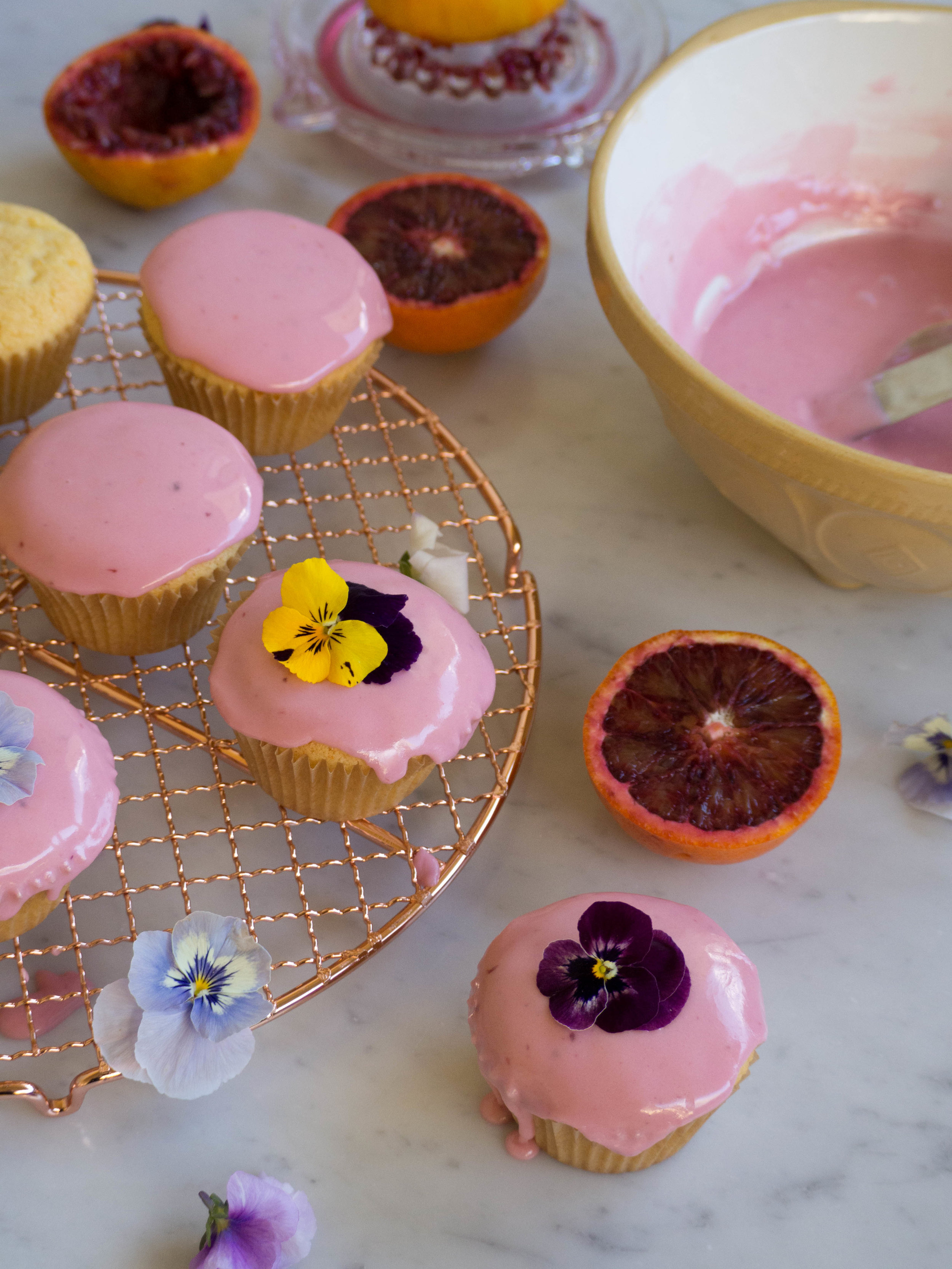
Blood Orange Cupcakes

Blood Orange Cupcakes

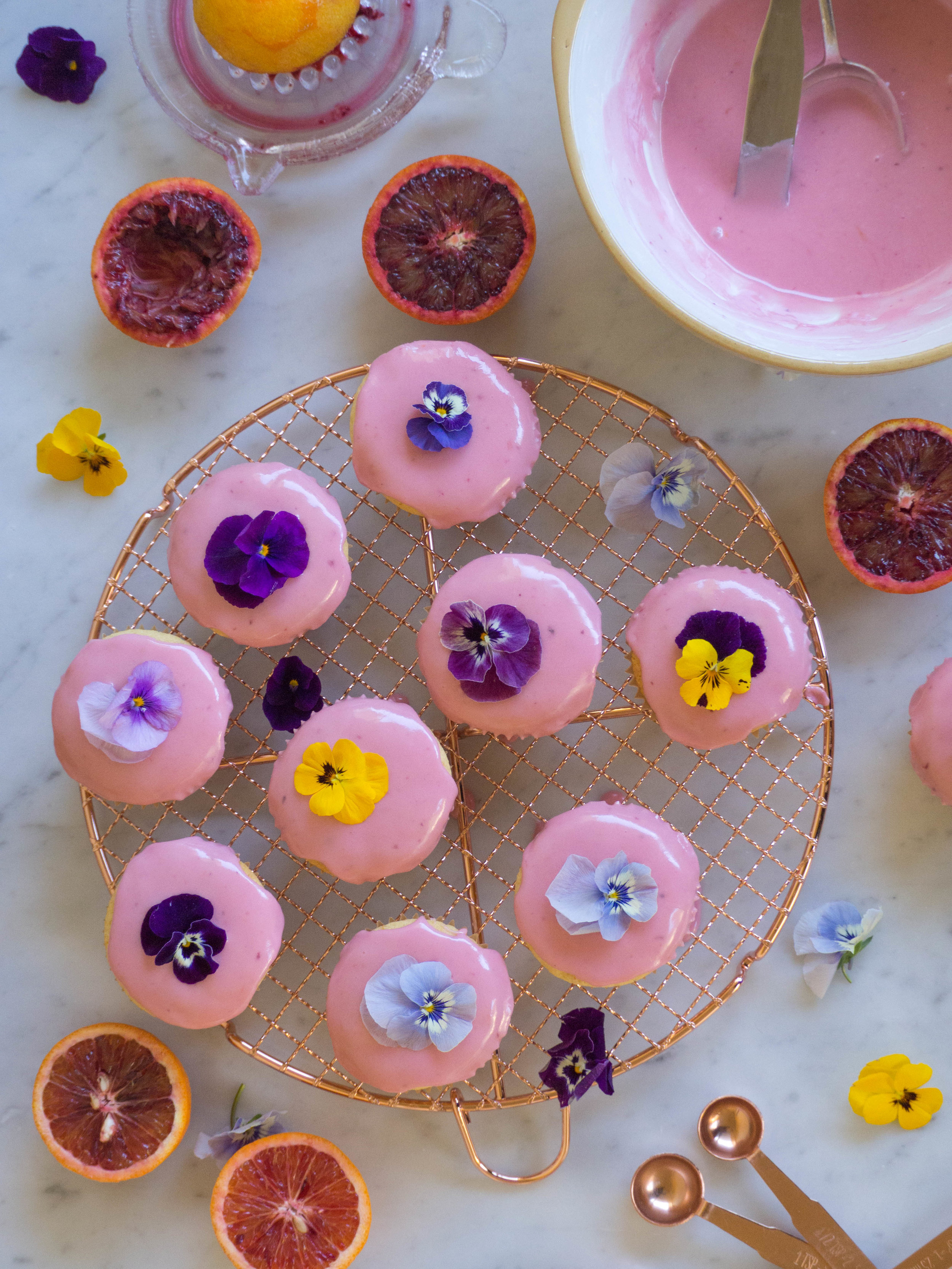
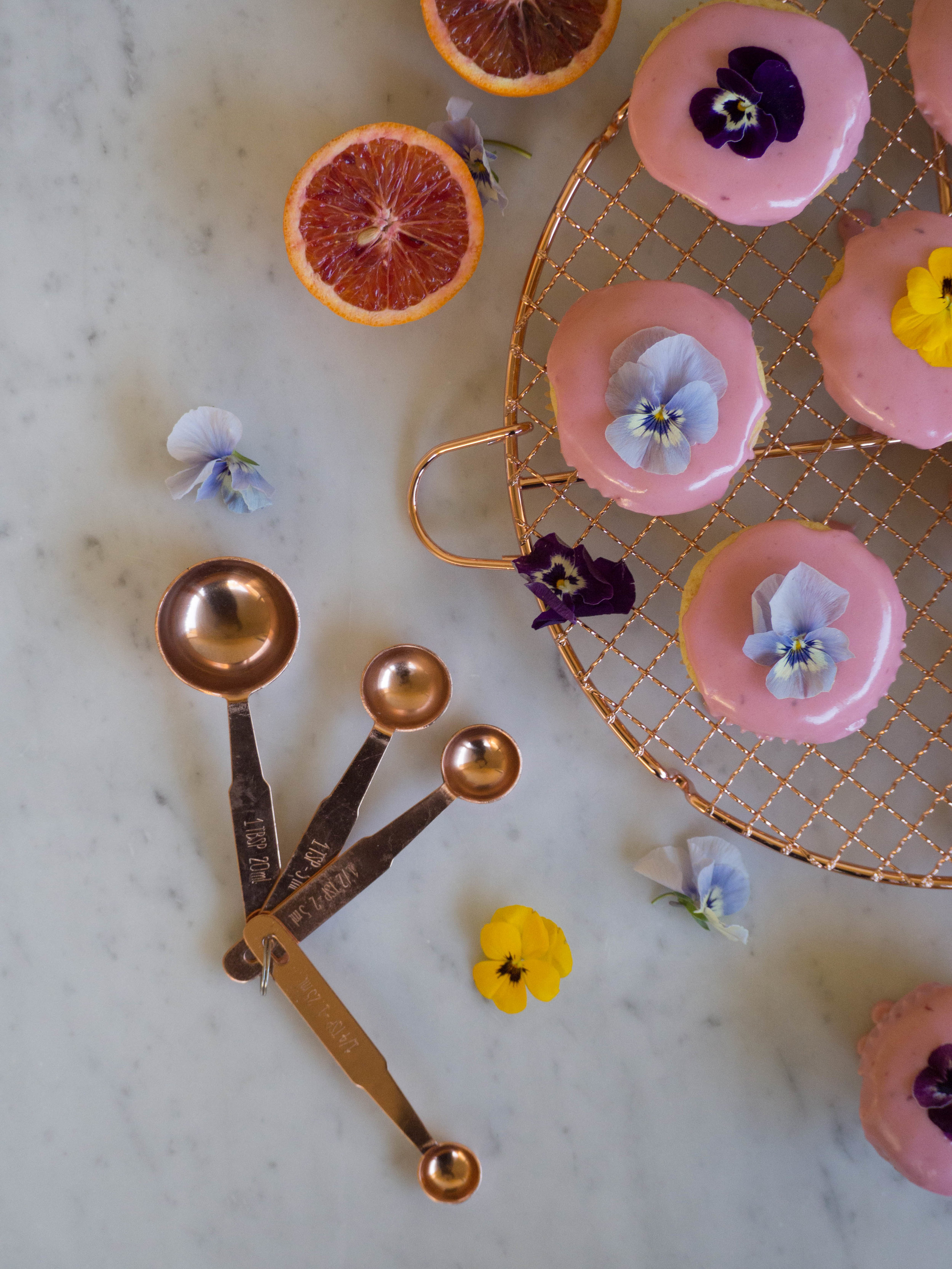
Blood Orange Cupcakes

Kath October 12, 2016

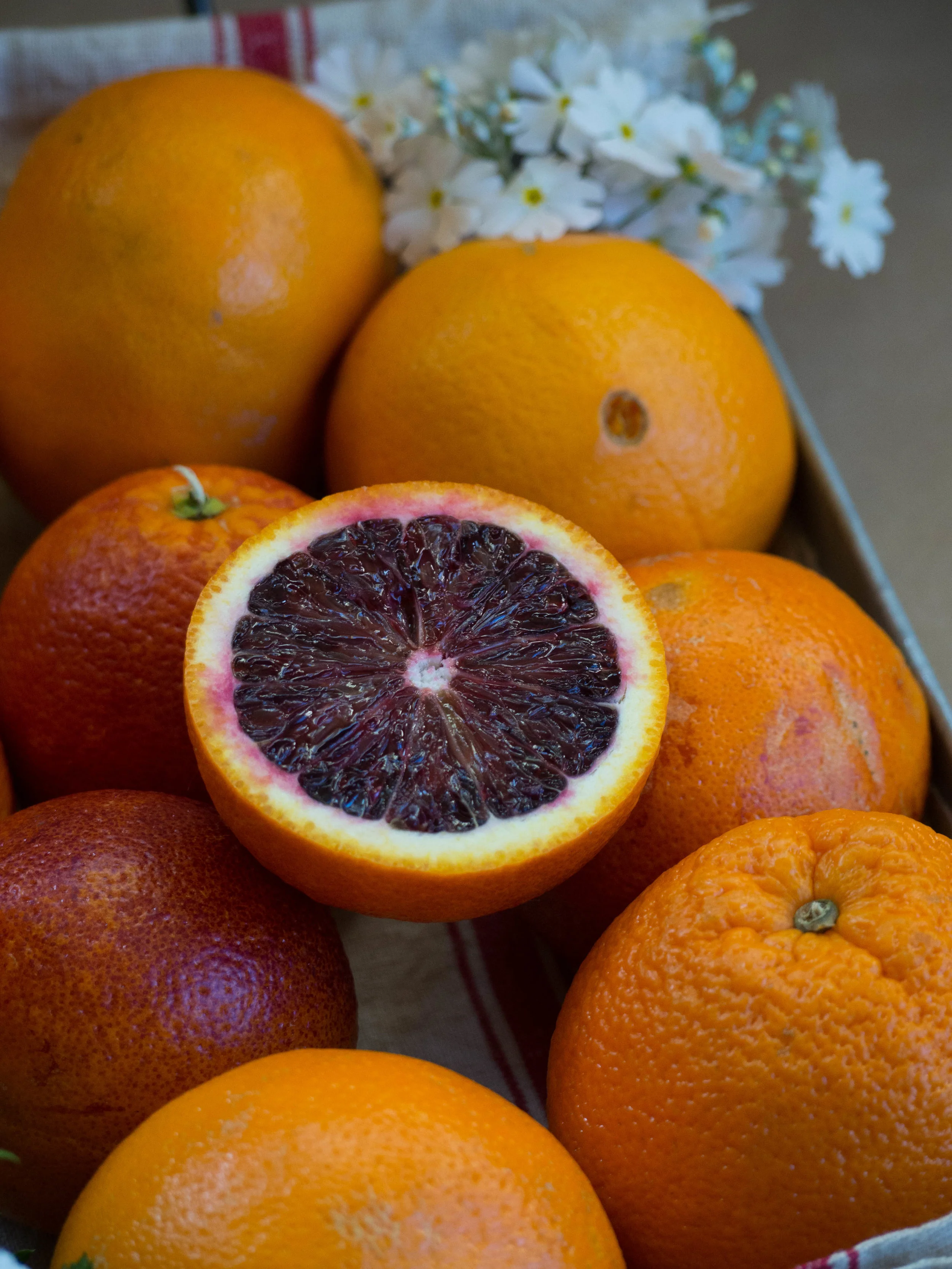
Before blood orange season is officially over, I really wanted to share this simple cupcake recipe with you. The basic recipe is my staple cupcake/cake recipe I bake over and over again, and thus adapt over and over again. 

I have had a bit of a ‘thing’ for blood oranges this season. If you follow me on Instagram, you might have noticed! And luckily, this season seems to have been particularly plentiful. To me they are much nicer than a regular orange and I always feel some level of excitement when cutting one open - how red/purple will it be?! I have bought many whilst perusing the local green grocers on my lunch break, and carried them home on the train with either grand plans to bake something that weekend or just to juice them and freeze it for something later on. 

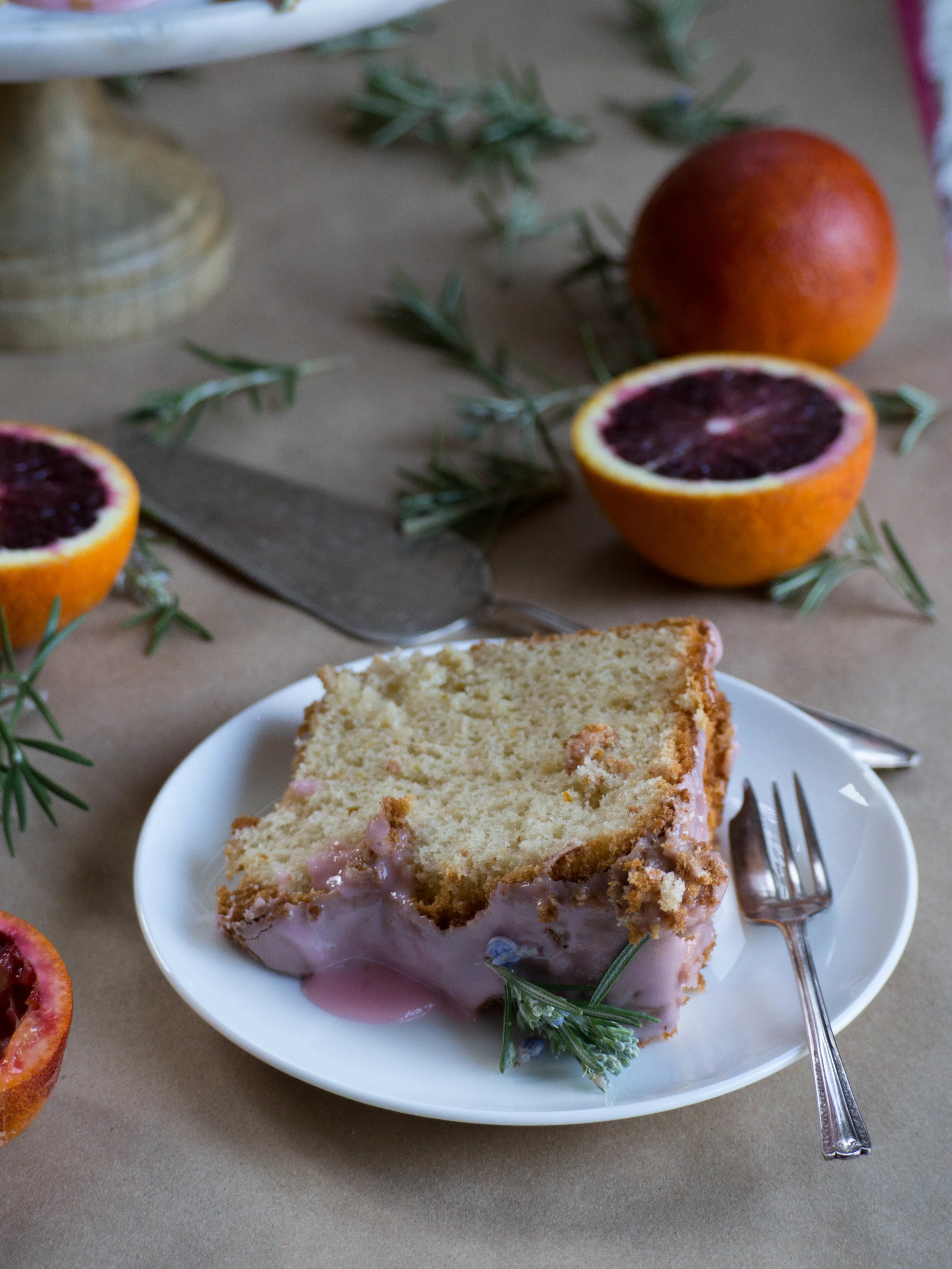
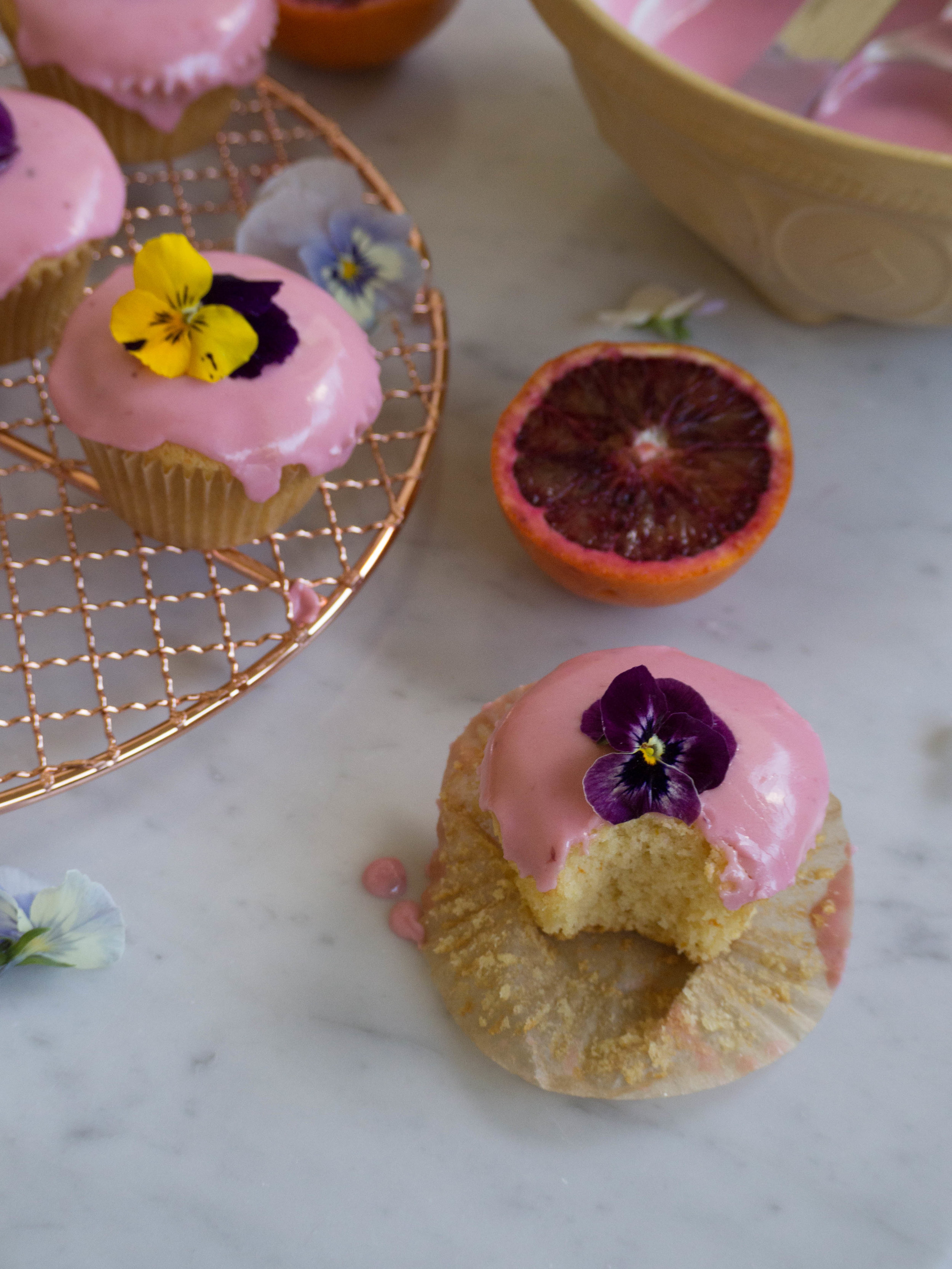
This recipe can suit either plan, use whilst the oranges are fresh, or defrost the juice later on and make when blood oranges have long gone from the markets. If making with fresh oranges, use the zest in the cake and the juice for the icing as the below recipe suggests. If you only have the juice, use that for the icing and add the zest of a regular orange to the cake batter, or substitute for one teaspoon of vanilla extract or paste. The recipe could of course be used for a whole cake rather than cupcakes, I particularly liked making it as a simple ring cake (picture below) - just remember the cooking time will be a little longer. 

Another option - Blood Orange Ring Cake 

Another option - Blood Orange Ring Cake 

Blood Orange Cupcakes

Ingredients: 

125g canola based margarine (or other flavourless margarine)

165g golden caster sugar (or caster sugar)

finely grated zest of one small/medium blood orange

2 eggs 

250g self-raising flour

105ml milk (preferably skimmed)


Ingredients for the Icing: 

1 1/2 cups icing sugar, plus extra

juice of 1/2 - 1 blood orange 

edible flowers for decoration, optional 


Method: 

Pre-heat oven to 160 degrees Celsius, and line a 12 hole cupcake tray with cupcake cases. 

In the bowl of an electric mixer, beat the margarine, sugar and blood orange zest until light and fluffy. 

Beat in the eggs one at a time, then add half the flour and half the milk and mix. Add the remaining flour and milk and mix on medium speed until combined.

Evenly divide the mixture amongst the cupcake cases, the mixture should fill each case so they are about 3/4 full. Bake for 20-25 minutes, or until the cakes spring back when touched lightly and a skewer comes out clean. The cakes will be lightly golden when they are done. 

Remove the cupcakes from the tray and cool on a wire rack. 

Once the cupcakes have cooled completely, sift the icing sugar into a bowl. Add one tablespoon of blood orange juice, and stir. Continue to add small amounts of the juice and stir well, until the icing is a nice smooth consistency. If you find the icing becomes too runny, add little bits of sifted icing sugar until you have created the right consistency (if the icing is too runny it will just run off the cupcakes and make a mess, it needs to have a slight spreadable consistency so you end up with most of the icing on top of the cakes, rather than all down the sides).  Spread icing over each cupcake, don’t worry if it runs downs the sides a little. Top with edible flowers immediately, if using. Allow the icing to set a little before serving. 

Cakes that have been decorated with edible flowers are best eaten the day of making. If there are any leftovers store in the fridge, as the decoration will not store well at room temperature. Otherwise, storing in an airtight container at room temperature for a few days will be fine.

In Cakes & Slices Tags Blood Orange, Cupcakes, Edible Flowers
Comment
Quince & Apple Crumble

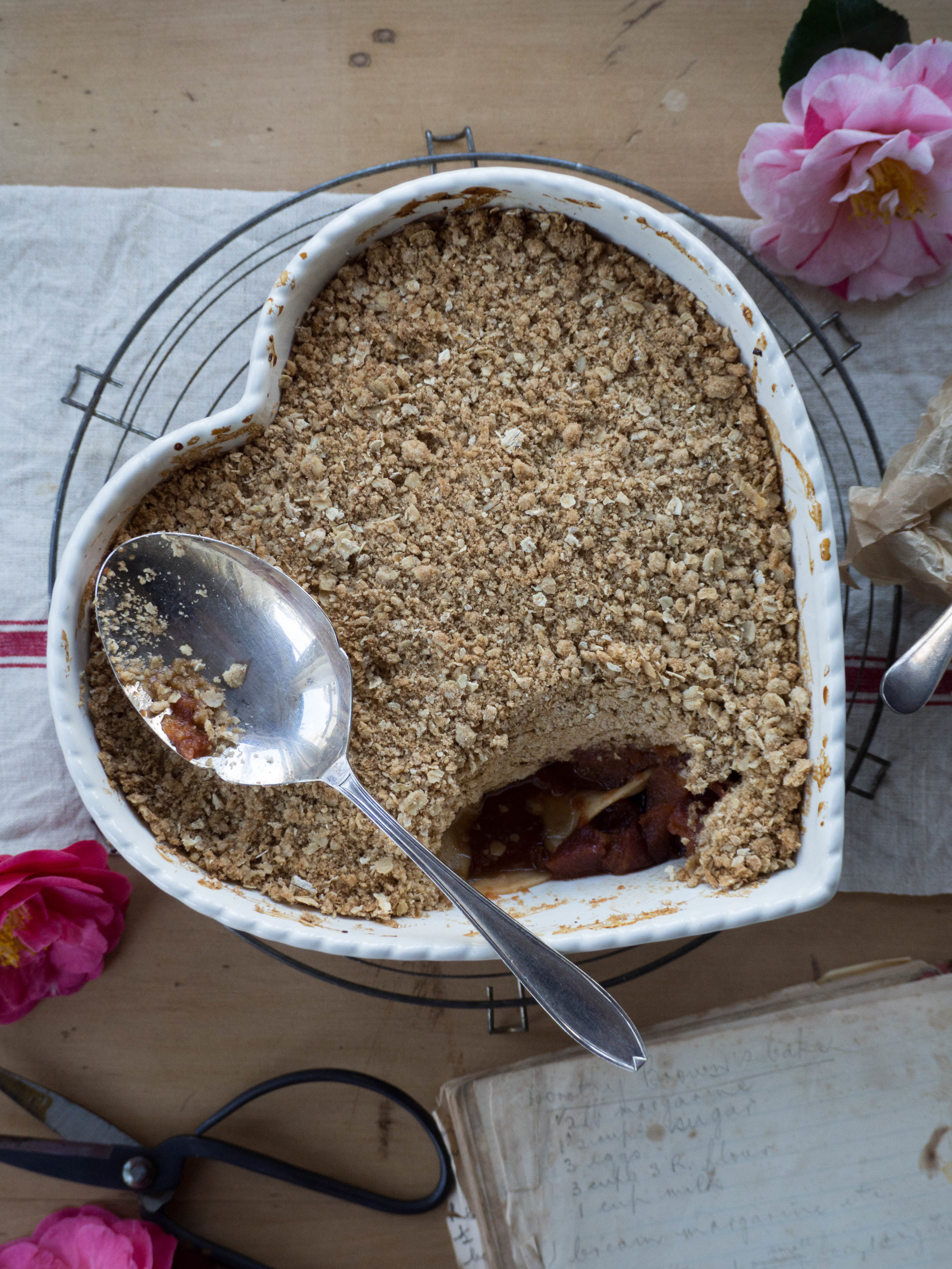
Quince & Apple Crumble

Quince & Apple Crumble + How to Make Homemade Vanilla Ice Cream (Egg Free)

Kath September 25, 2016

This recipe is highly inspired by my Grandma’s cooking. Although I don’t think she ever poached quince or made her own ice cream, crumbles were definitely a staple dessert in her house. Rhubarb was the filling I remember most and as I have alluded to before, I would not try the Rhubarb Crumble’s my Grandma made. This was in protest of the fact that the dessert wasn’t Pavlova, which was, to me the only obvious choice for dessert at any time of year. 

My Grandma’s Pavlova was my absolute favourite (still evidenced by how many times it has appeared in some form on this blog!), and I remember feeling such bitter disappointment when I noticed it had not been my Grandma’s chosen dessert that evening. While the pink hue of the rhubarb should have drawn my interest as a child, I was firmly opposed to the idea of eating a vegetable in a dessert, even if it was served with ice cream. I would then moodily sit eating my plain vanilla ice cream, hoping our next visit would include my favourite Pavlova. 

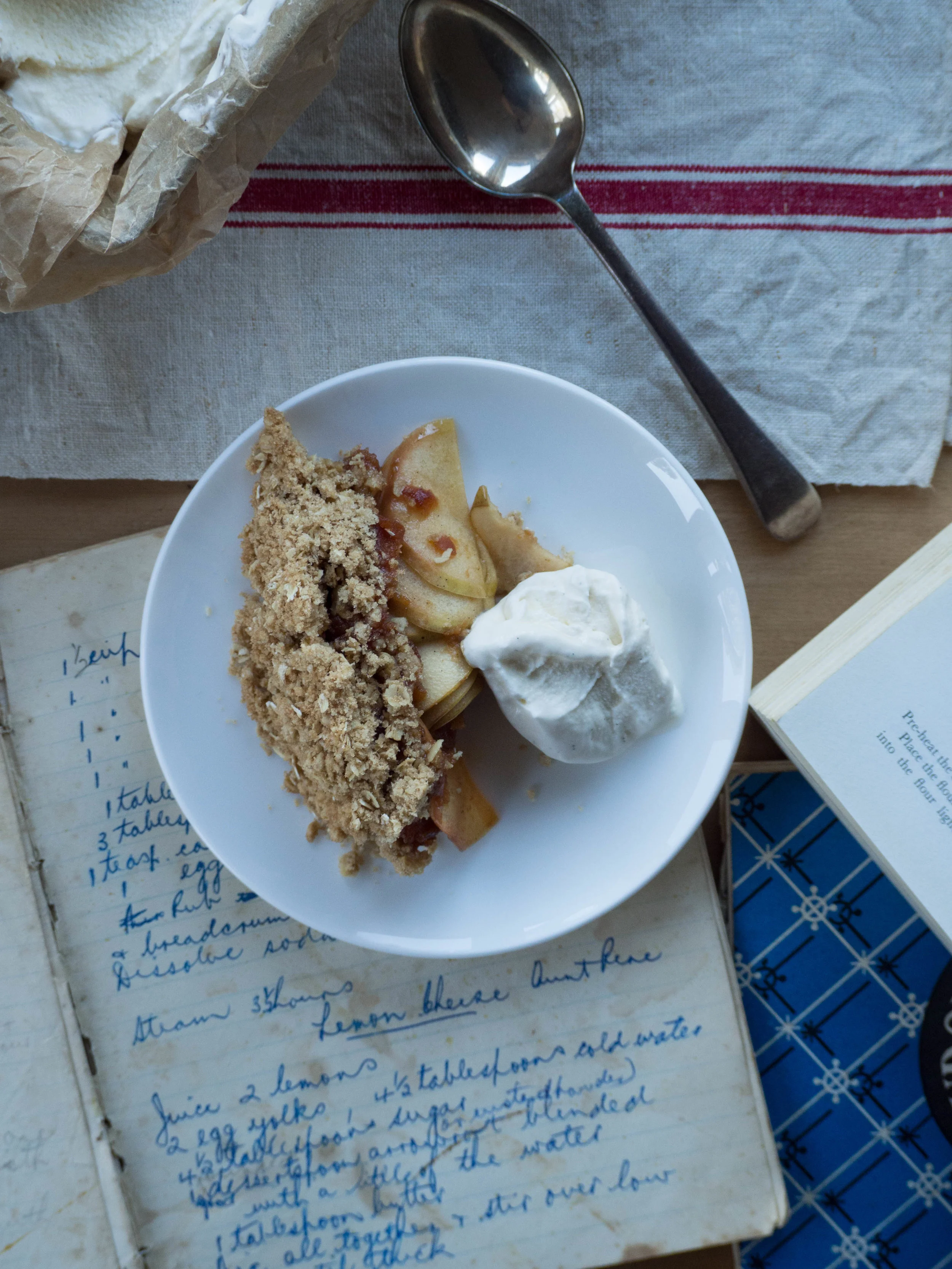
Now being older and having made much more of an effort to try new foods, I have come around the to humble crumble. I could not however find amongst my Grandma’s hand written recipes, a recipe for any type of crumble. It is likely it was something she started making later in life, maybe seeing it made on one of the cooking shows on TV she liked watching, or amongst the recipes found in the newspaper. I did however stumble across a little section in her copy of ‘Delia Smith’s Complete Cookery Course’ on crumbles and I guess it is also possible the recipe she used or was inspired by came from there. The book is ‘a new edition for the 1990s’, which would fit in well with my thought that she made many more crumbles later in life. It also fits in rather perfectly with my childhood memory of boycotting her rhubarb crumble. 

My Grandma’s copy of Delia’s book, looks somewhat used, maybe just a little less so than her handwritten notebooks and recipe books from the 1950s. A few pages are marked with scraps of paper with handwritten recipes on them (including a lemon sponge and oatmeal cookies), and a couple of cut outs from the food section of a newspaper (one recipe and one reader cooking tip). There is also a bookmark from the Stroke Foundation holding the place between Spanish Pork with Olives and Ossobuco in the ‘Meat: Casseroles and Braised Dishes’ section. Such a find is slightly bittersweet considering how my Grandma’s life came to an end, but also a reminder of her understanding of her vulnerabilities and attention to preventing them.

Finding little notes, recipes and newspaper cut outs in my Grandma’s cookbooks give me little snapshots and reminders of her every time, and maybe one day in another book I’ll find a scrap of paper with a recipe for her crumble. 

For my crumble recipe I have used a combination of fruit which is slightly more Winter-y, however I thought equally as delicious and satisfying during any season. If you have some poached quinces definitely use them, they work so well with the crumble topping. If you wish to substitute the quinces for something else, I would suggest rhubarb (of course!), either sliced finely with a mandolin or lightly softened on the stove first - just keep the quantity of rhubarb about the same as the quinces or so it fits nicely into the dish you are using. If making, the ice cream should be made earlier in the day or the night before so it has ample time to freeze. It is quite a simple ice cream recipe, requiring no eggs just some sugar, milk, cream and vanilla. I would suggest doubling the ice cream recipe if you wish to feed more than 5 or so people. 

Homemade (Easy) Vanilla Ice Cream

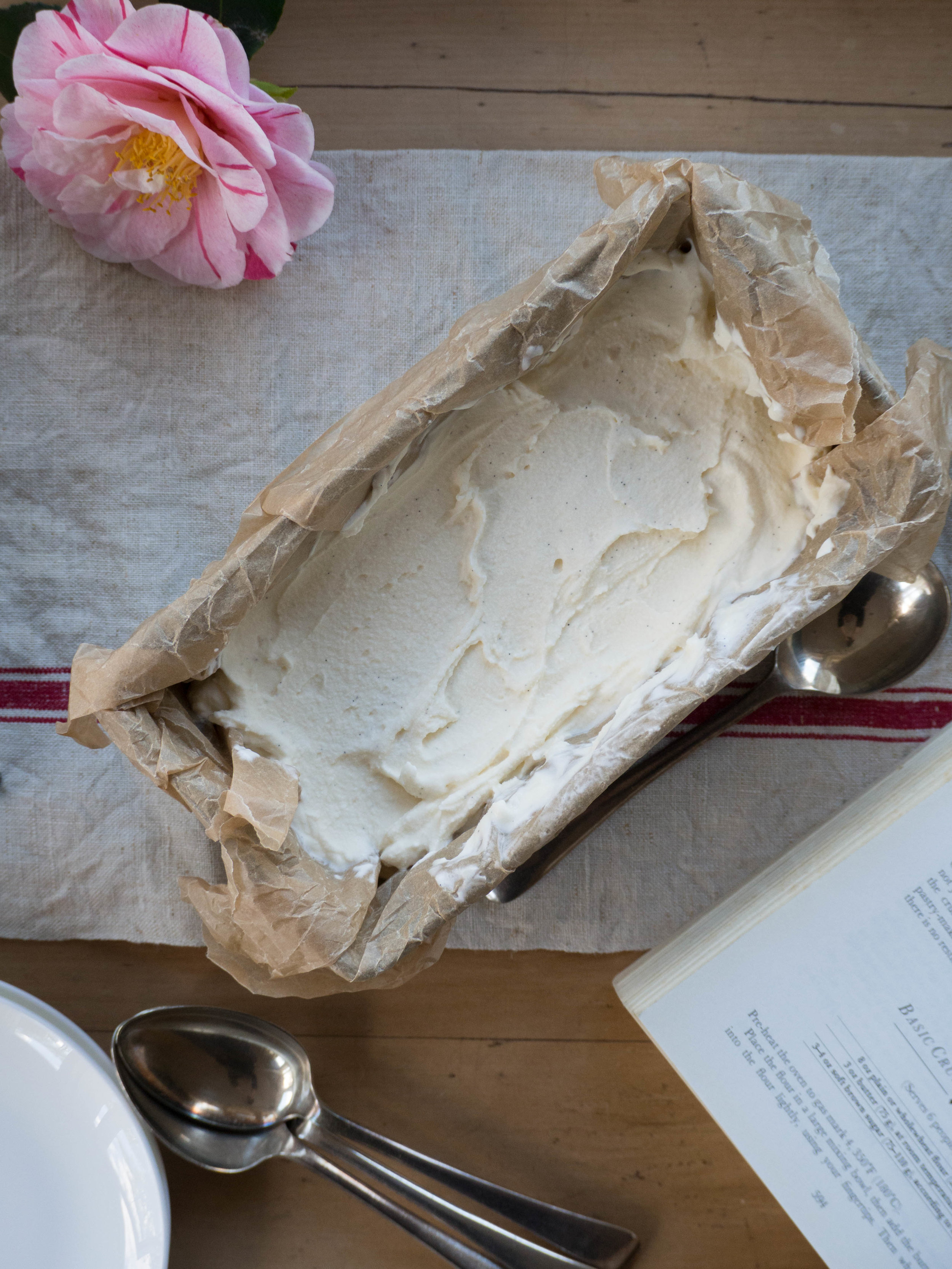
Homemade (Easy) Vanilla Ice Cream

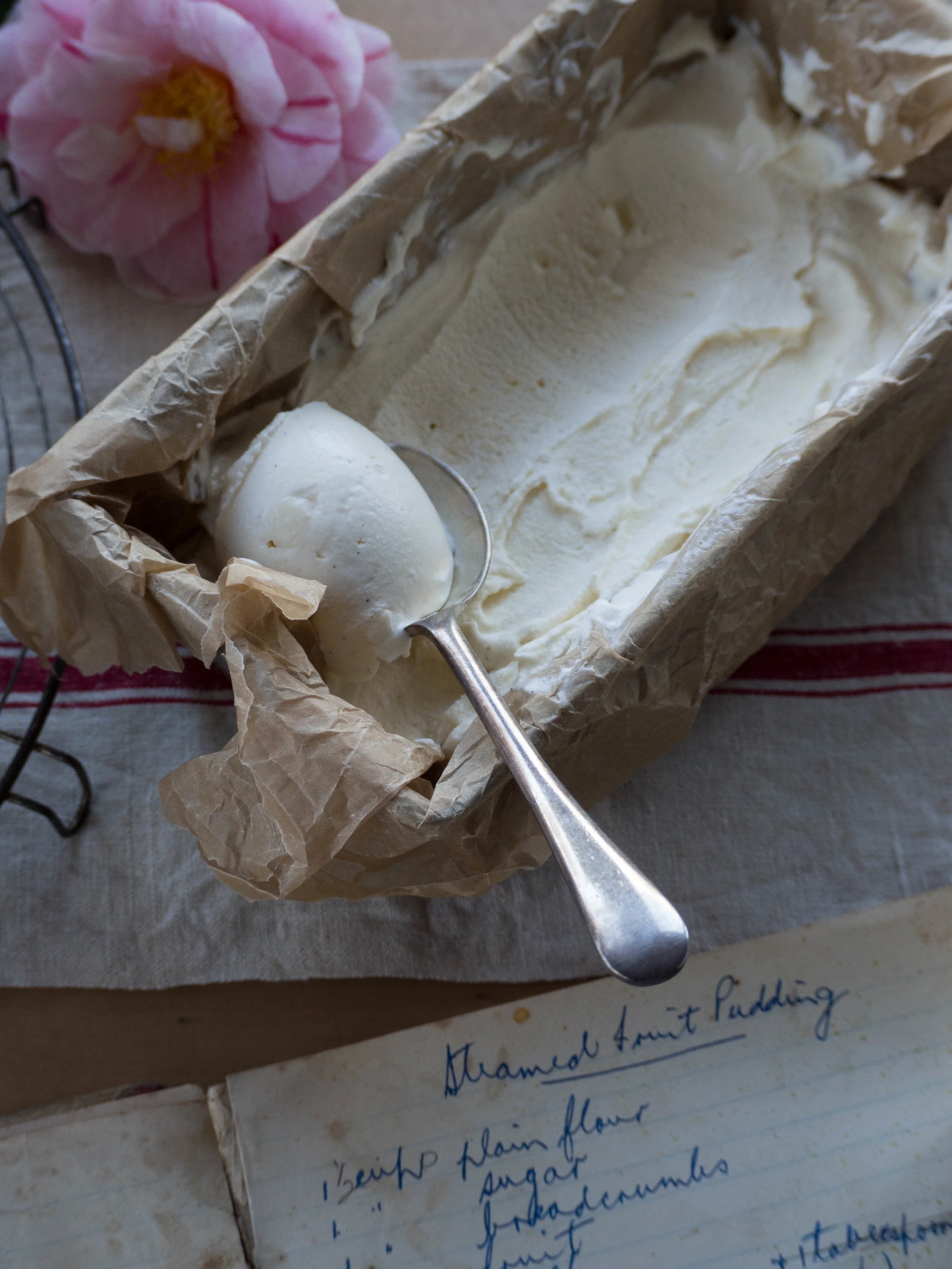
Homemade Vanilla Ice Cream (Egg Free)

Ingredients: 

165ml full cream milk 

6 tbsp white sugar

250ml pouring cream 

1 tsp vanilla extract 

2 tbsp vanilla bean paste 


Method: 

Whisk the milk and sugar together until the sugar has dissolved and the milk has become frothy. Then add the cream and both vanillas and whisk until combined. 

Transfer mixture into the bowl of an ice cream machine, and process according to machine instructions. I found the churning process took about 10-15 minutes. Once ready, transfer ice cream into a freezer safe container and freeze for at least 2 or 3 hours. 

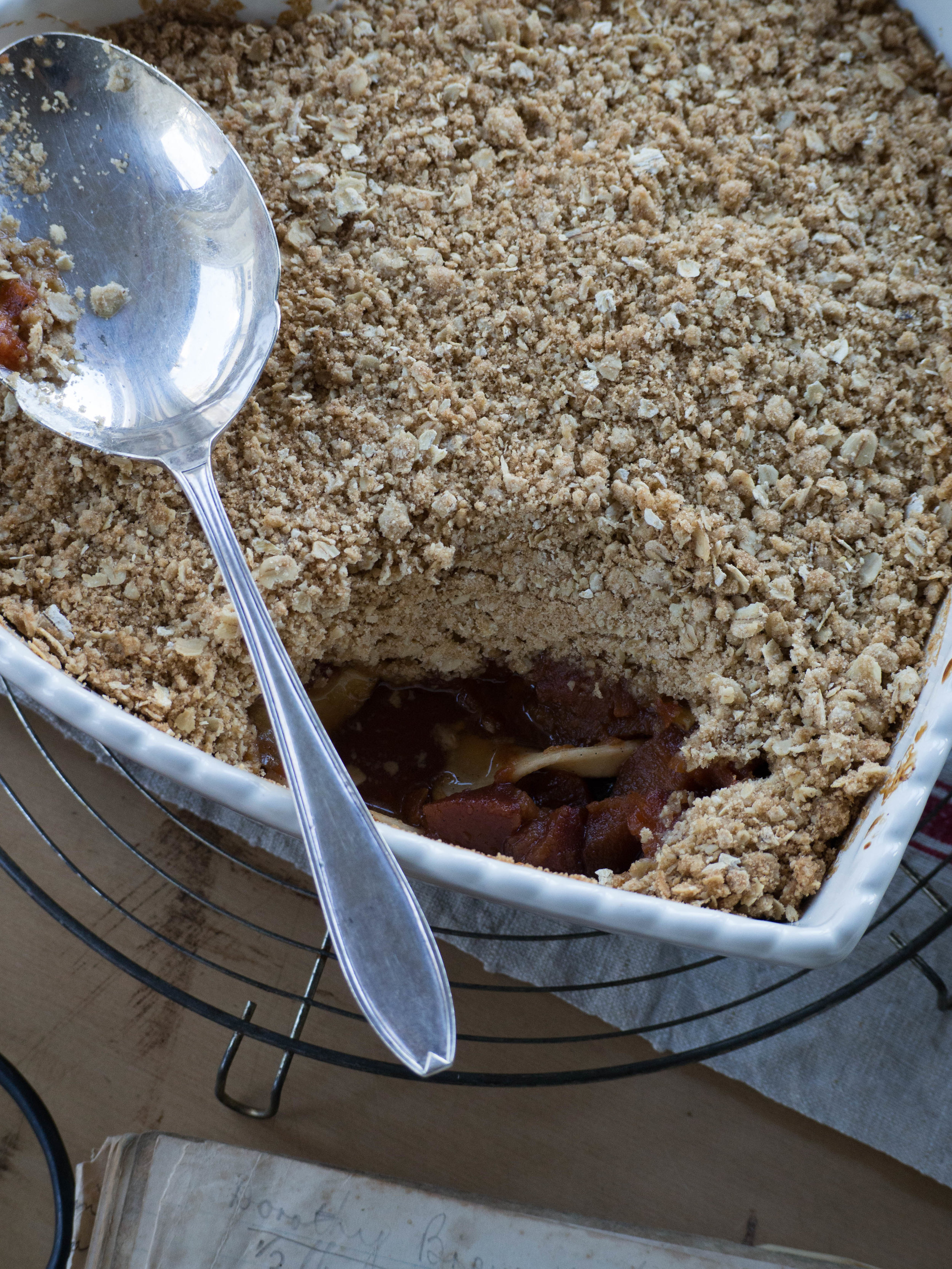
Quince and Apple Crumble

Ingredients: 

6 poached quince, approx. 930g 

2 Pink Lady Apples, approx. 250g

2 very small pears, approx. 140g 

2 tbsp quince poaching liquid

2 tsp vanilla bean paste

75g unsalted butter, softened and cubed

110g plain flour 

110g oats (not instant) 

110g brown sugar 

1/2 tsp ground cinnamon 


Method: 

Pre-heat oven to 180 degrees Celsius. 

Remove the poached quinces from their poaching liquid, reserving the liquid. Roughly chop the quinces and place into a large mixing bowl. 

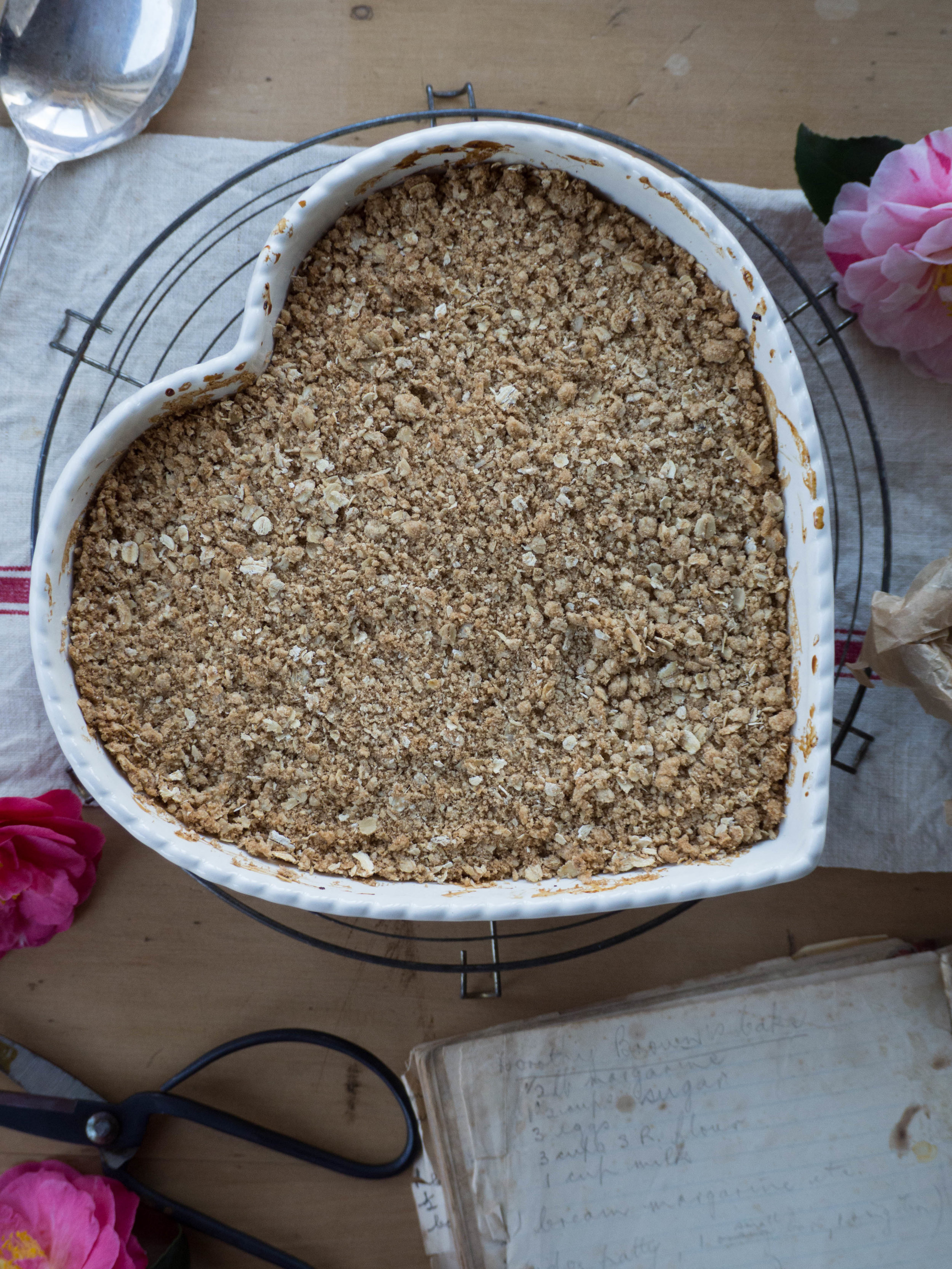
Very finely slice the apples and pears (I used a mandolin), discarding the cores. Place in the bowl with the quince and gently mix together. Add the vanilla bean paste and the quince poaching liquid and mix again. Then tip the mixture into a 2-2.5L capacity pie/gratin/baking dish. Spread the mixture out so it sits in the dish evenly. 

To make the crumble topping place the flour, oats and cinnamon into a mixing bowl then add the butter. Rub the butter into the flour and oats until the mixture starts to look crumbly. Add the sugar and mix well. 

Spoon the crumble mixture over the fruit ensuring it is evenly dispersed. The thickness of your crumble topping will depend on the size and depth of your dish. I used a fairly deep dish so I ended up with a nice thick crumble topping. 

Cook crumble for 30-40 minutes, or until the top has turned lightly golden brown. 

Serve warm with the vanilla ice cream. 

References: ‘Lomelino’s Ice Cream’ by Linda Lomelino (Roost Books, 2015), p.13: ‘Delia Smith’s Complete Cookery Course’ by Delia Smith (BBC Books, 1998), pp. 594-5.

In Other Desserts, Heirloom Recipes, Ice Cream Tags Crumble, Quince, Apple, Grandma, Ice Cream, Vanilla, Delia Smith, heirloom baking, Dessert
Comment
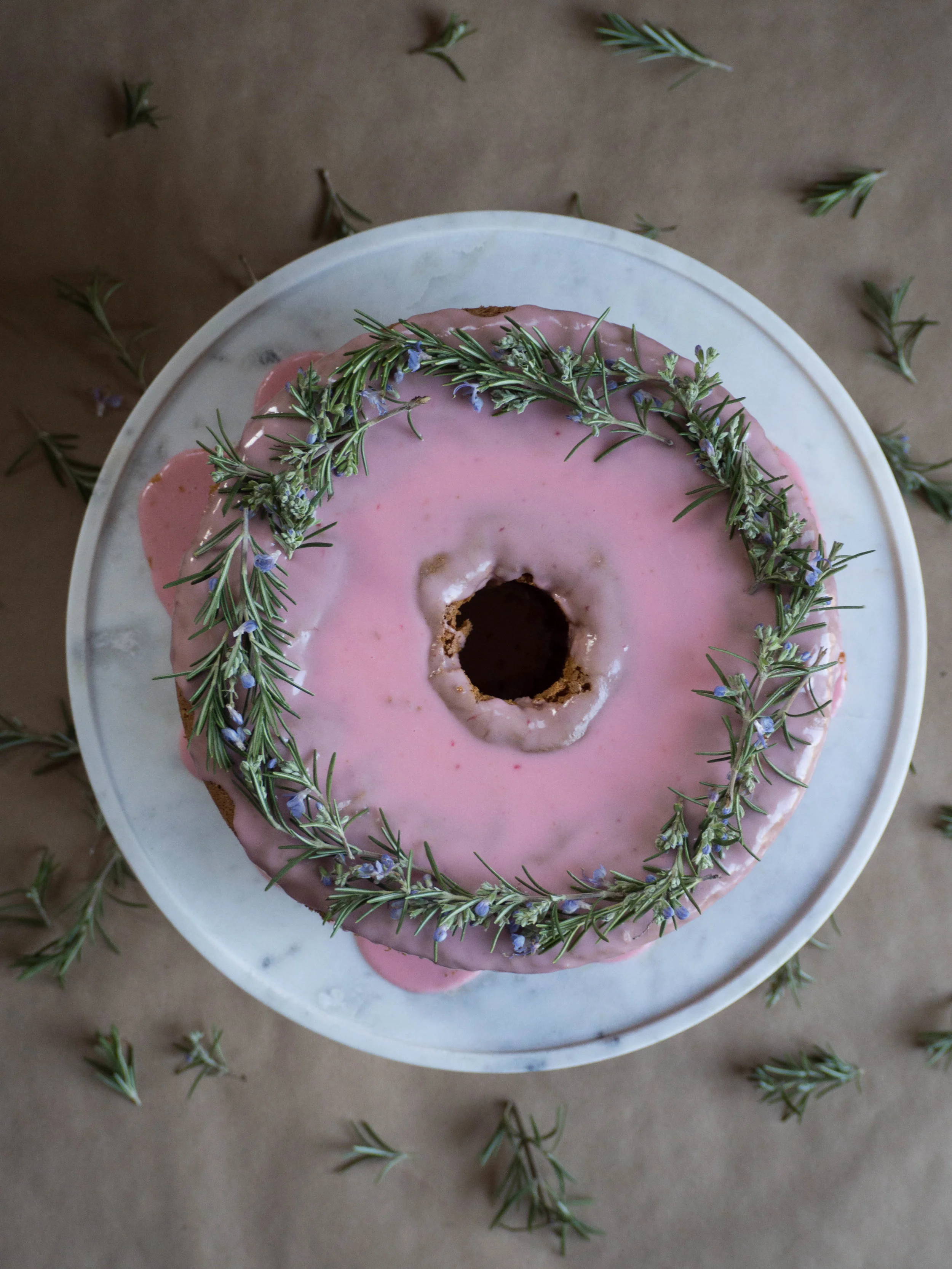
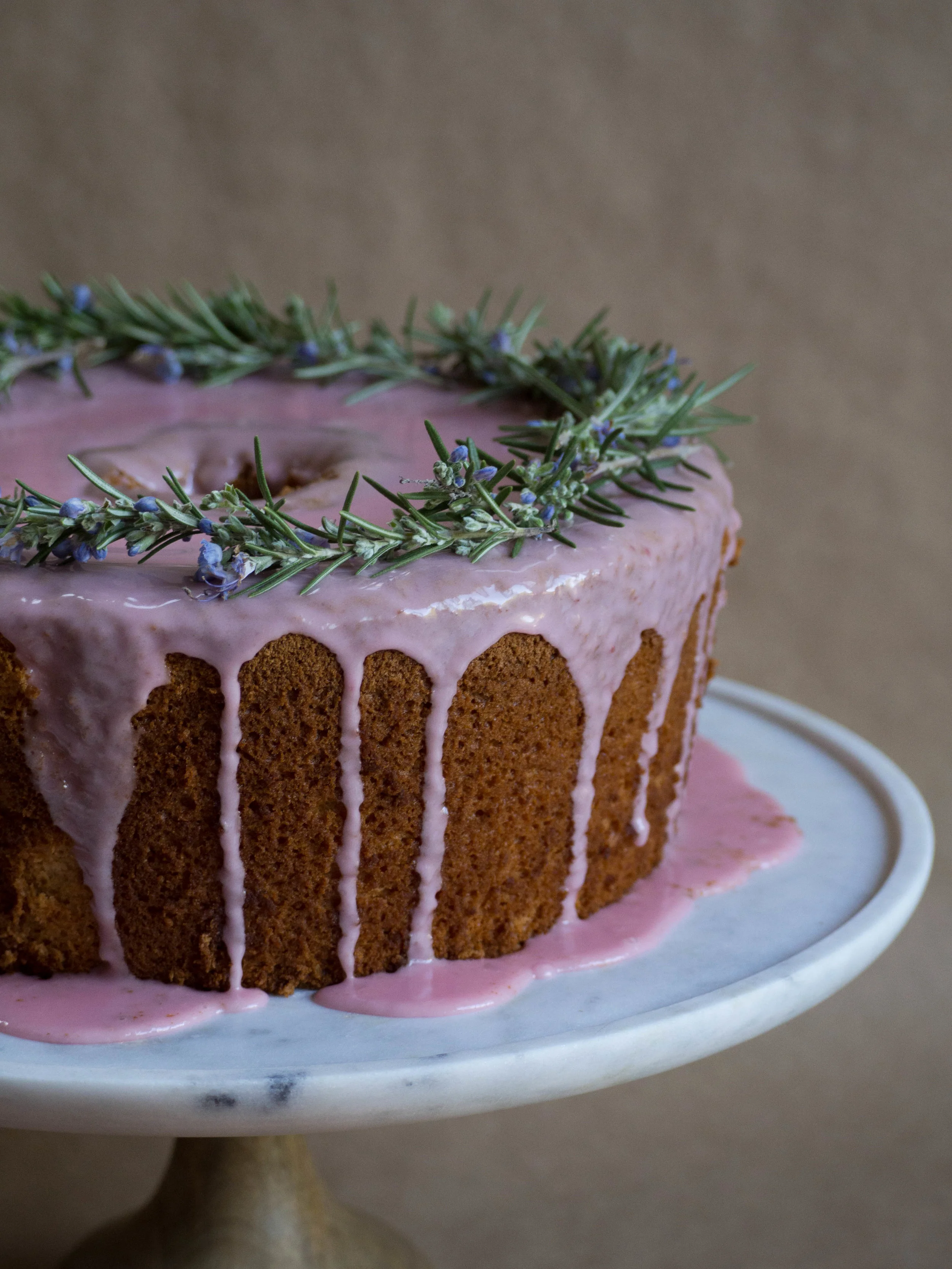
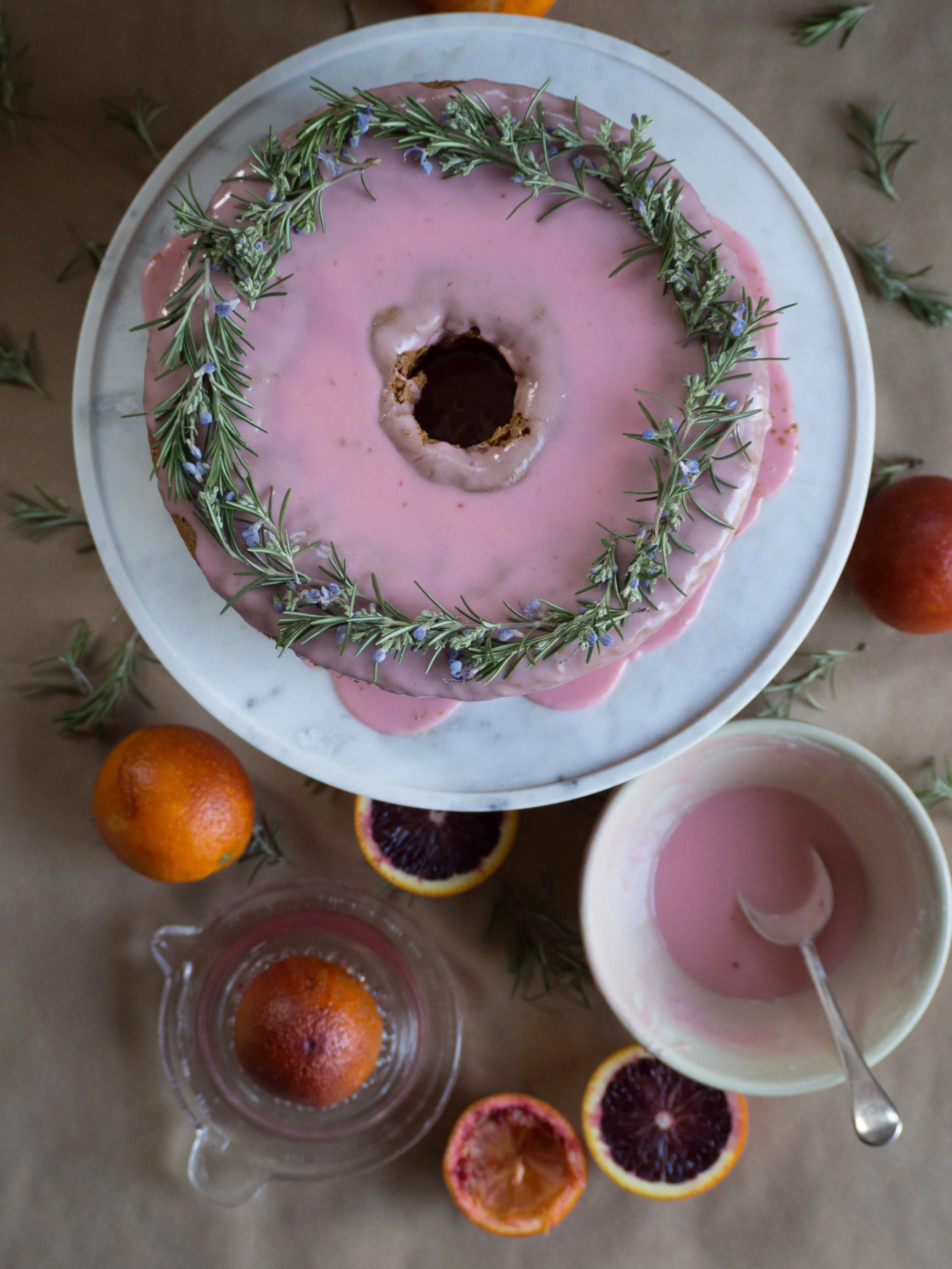
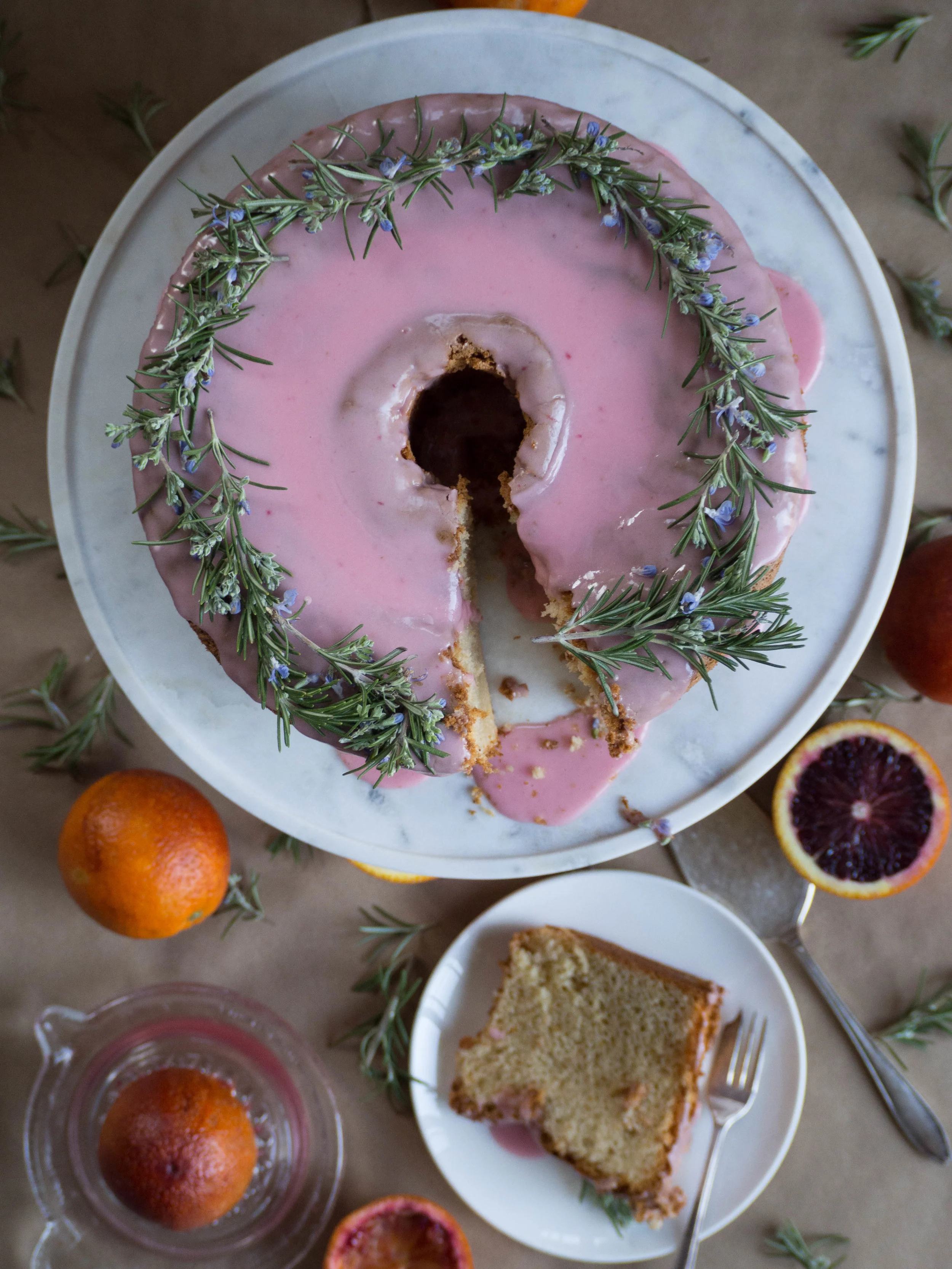
Blood Orange Chiffon Cake

Blood Orange Chiffon Cake

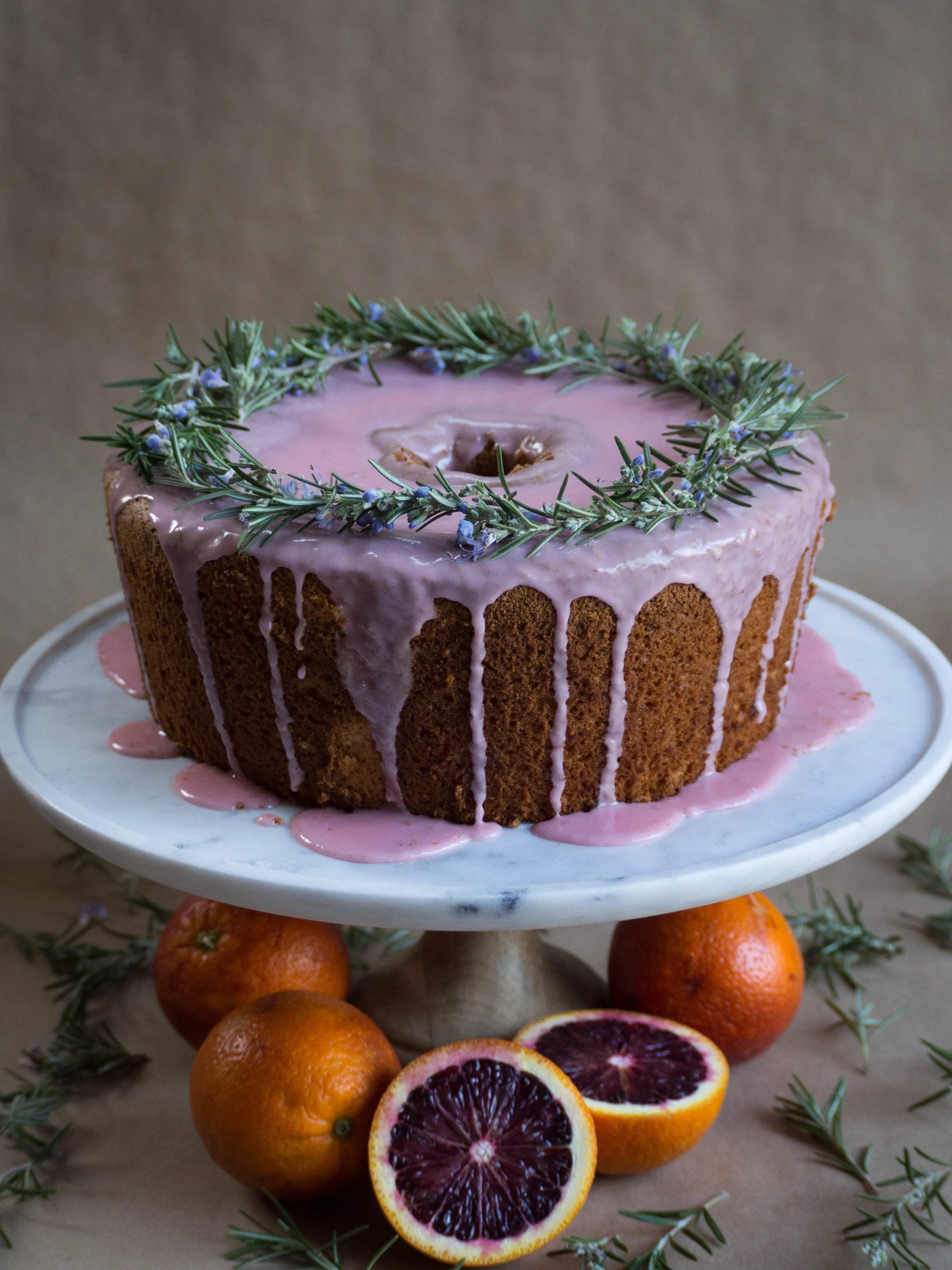
Blood Orange Chiffon Cake & A New Kitchen

Kath September 11, 2016

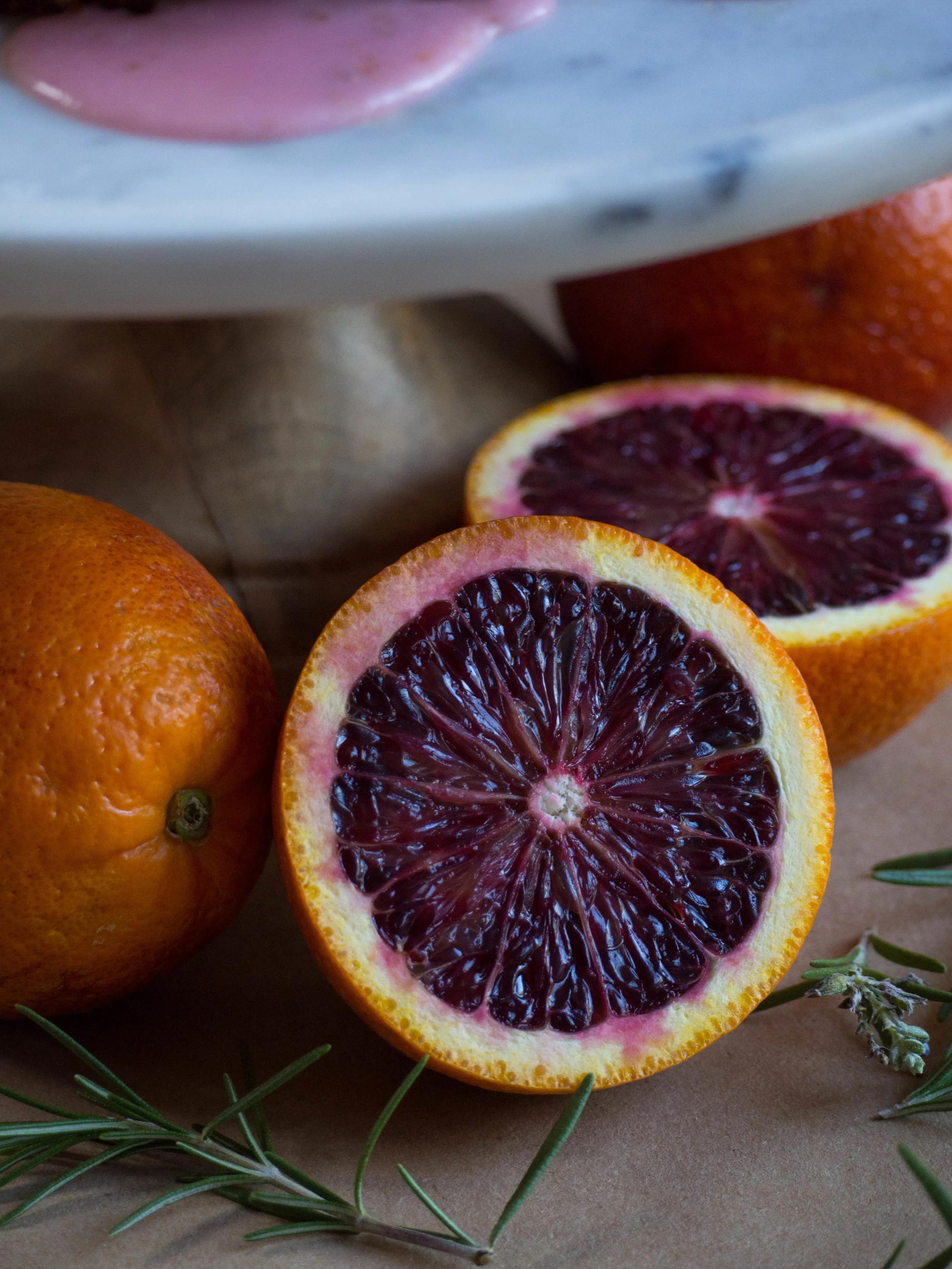
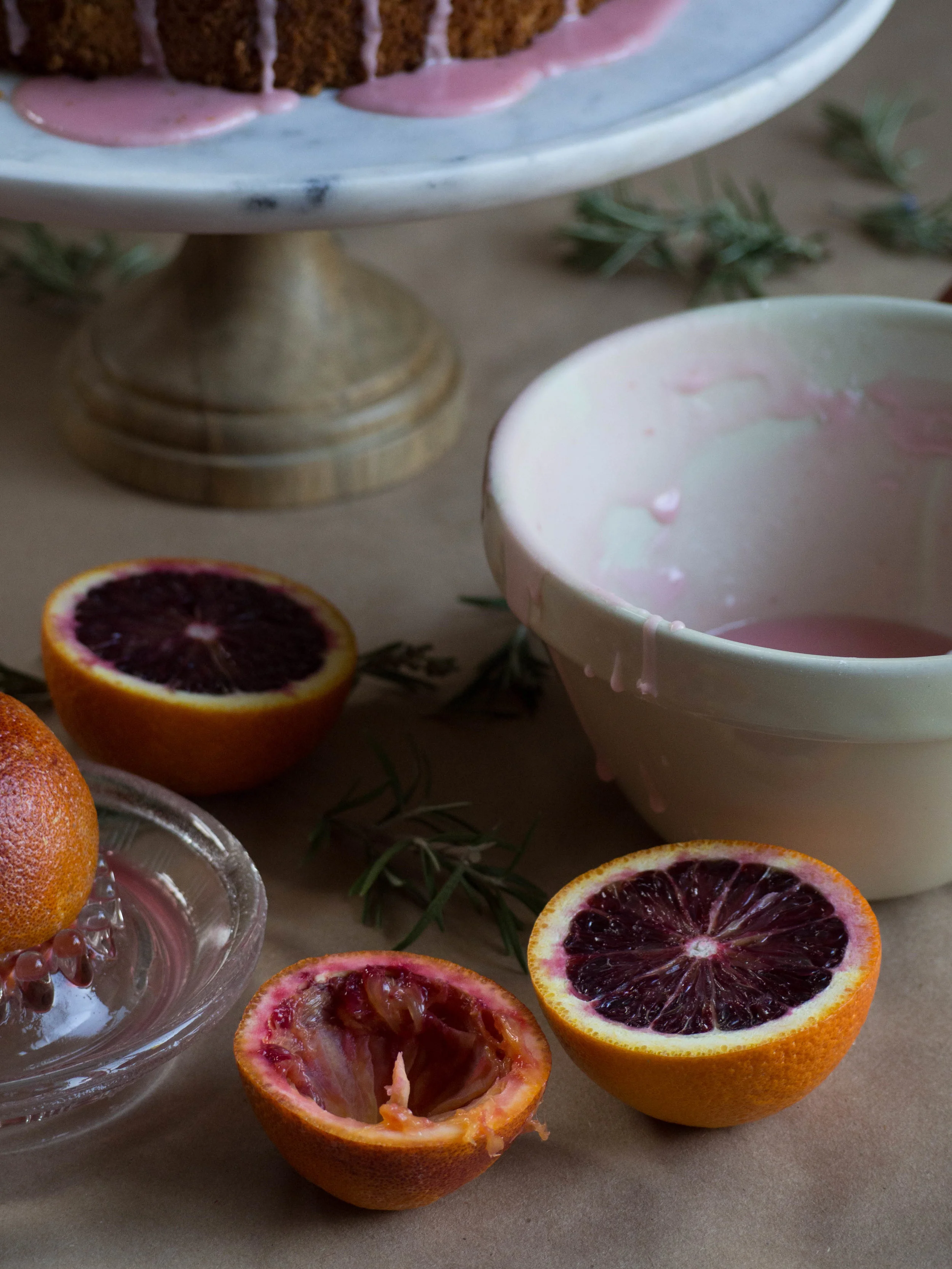
As soon as blood orange season arrived, I had recipe ideas swimming around in my head. I buy them about once a week, from the shops near where I work, only three or so at a time so they are easy to carry home after work. Then, come the weekend, I use some for baking things like this cake, then I juice the rest and freeze the it to use later on. My freezer is now quite full, along with the copious amounts of varying berries, homegrown mandarins and so much bread, the zip lock bags and small containers of blood orange juice are artfully placed in small gaps and spaces ready to be used once the weather gets warmer and ice blocks become necessary. 

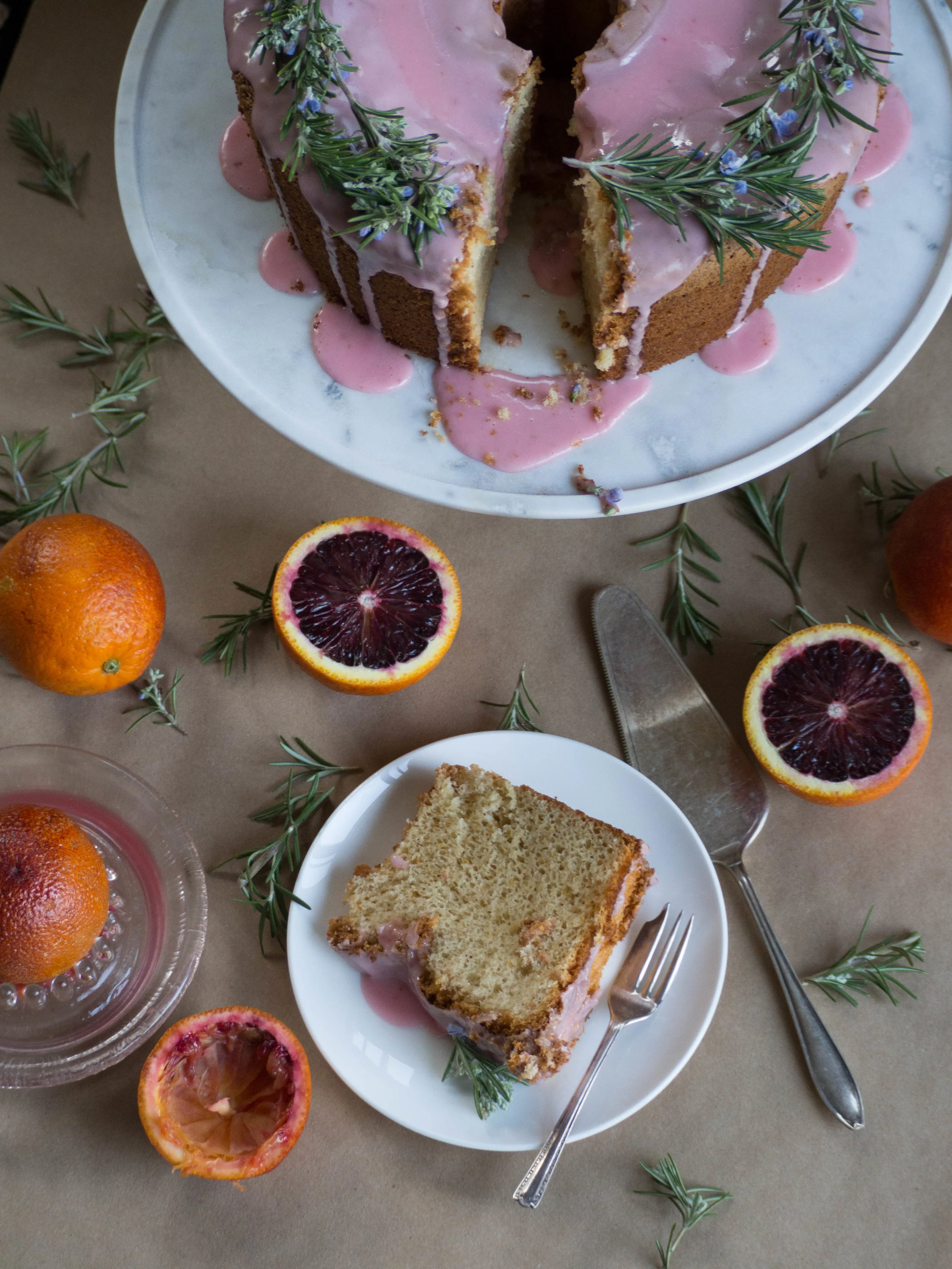
The base recipe of this chiffon cake has been adapted from my favourite chiffon cake (of all time), the Custard Chiffon Cake which can be found in the Monday Morning Cooking Club’s first book. This chiffon cake was the first I ever tasted or made. Now it still remains my favourite, however adaptations such as this Blood Orange Chiffon are amazing and a great way to mix things up a bit and show off some lovely fresh produce. Not to mention I always love a cake with pink icing! Any excuse for pink icing!!

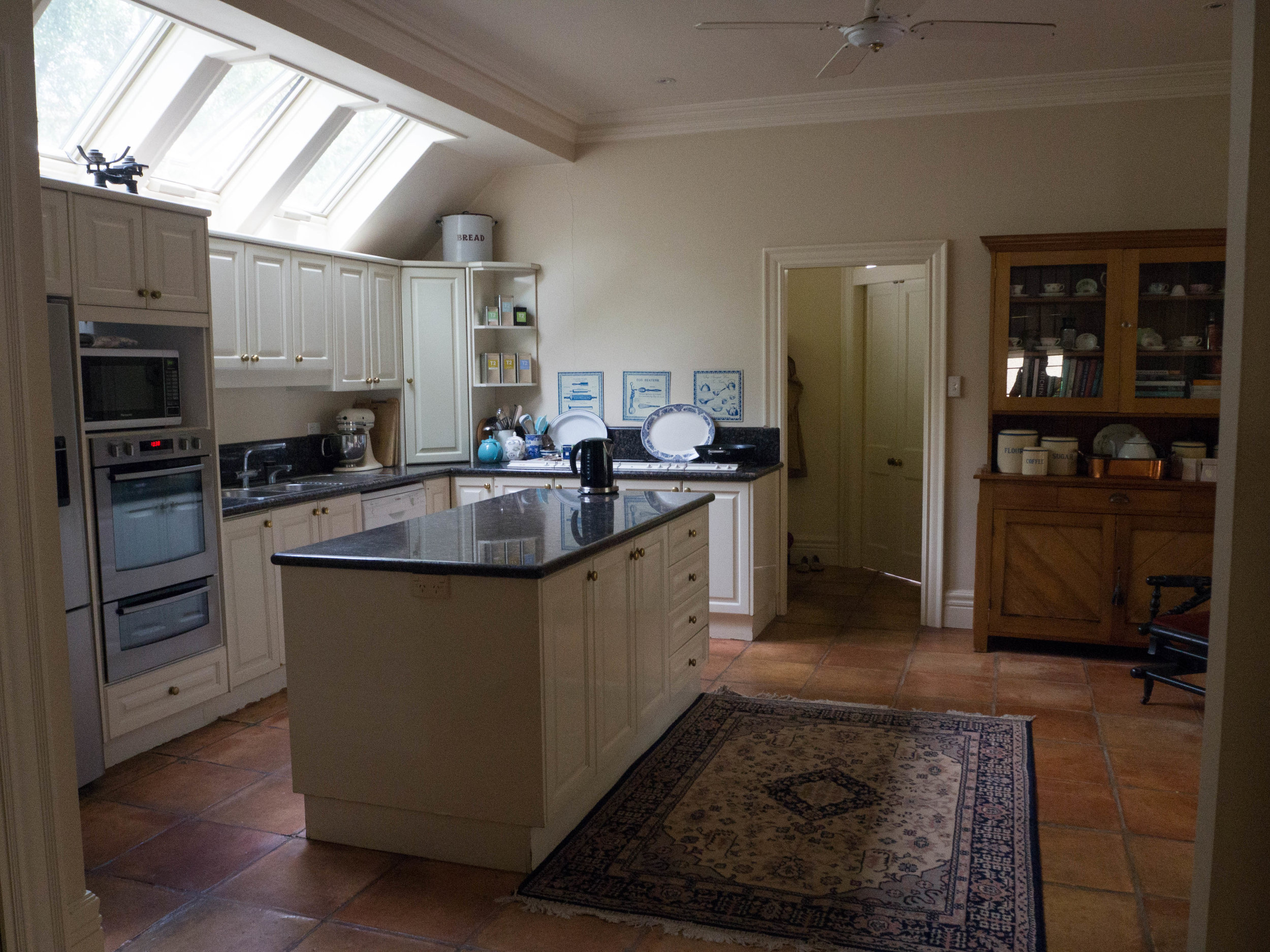
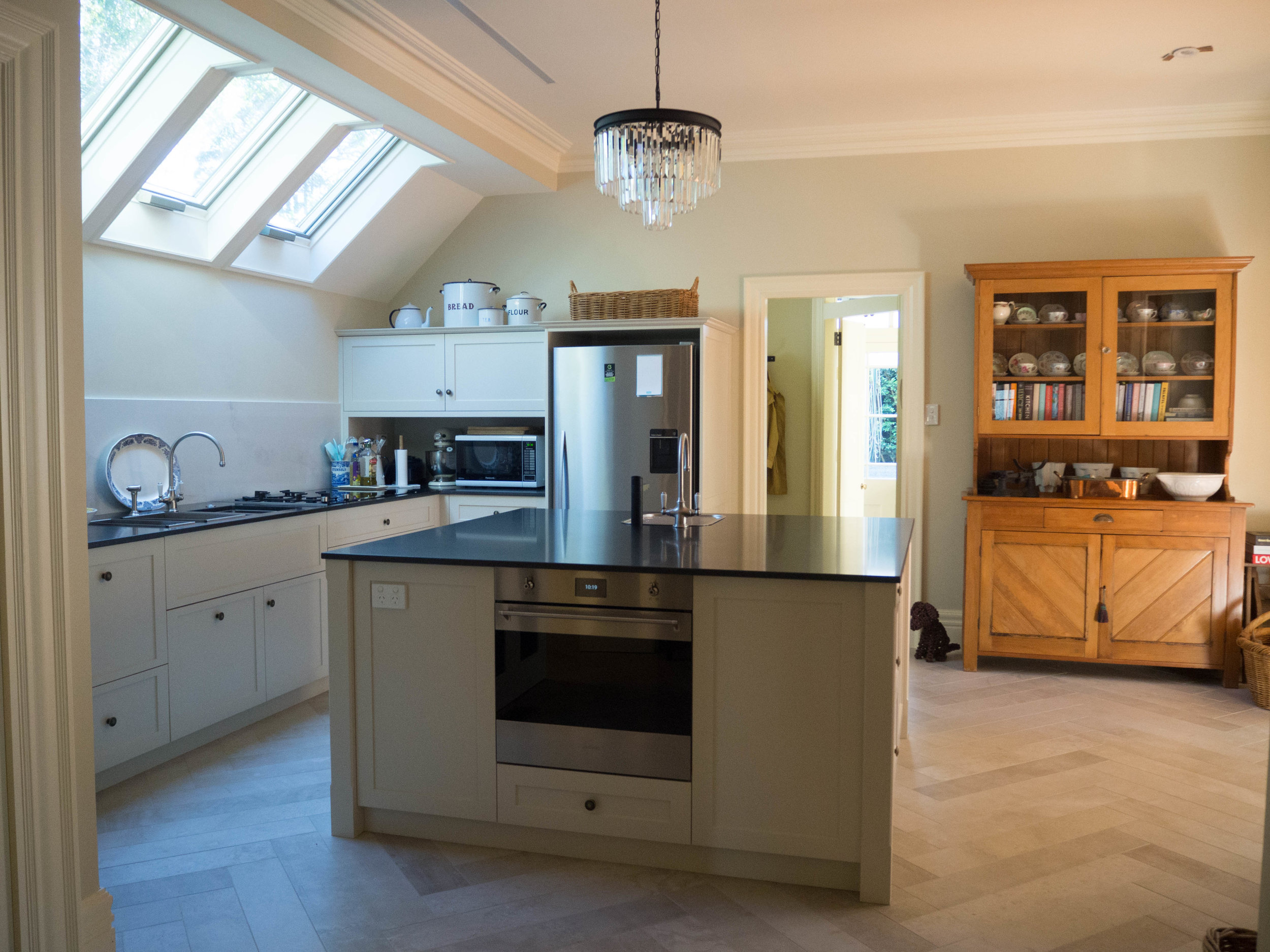
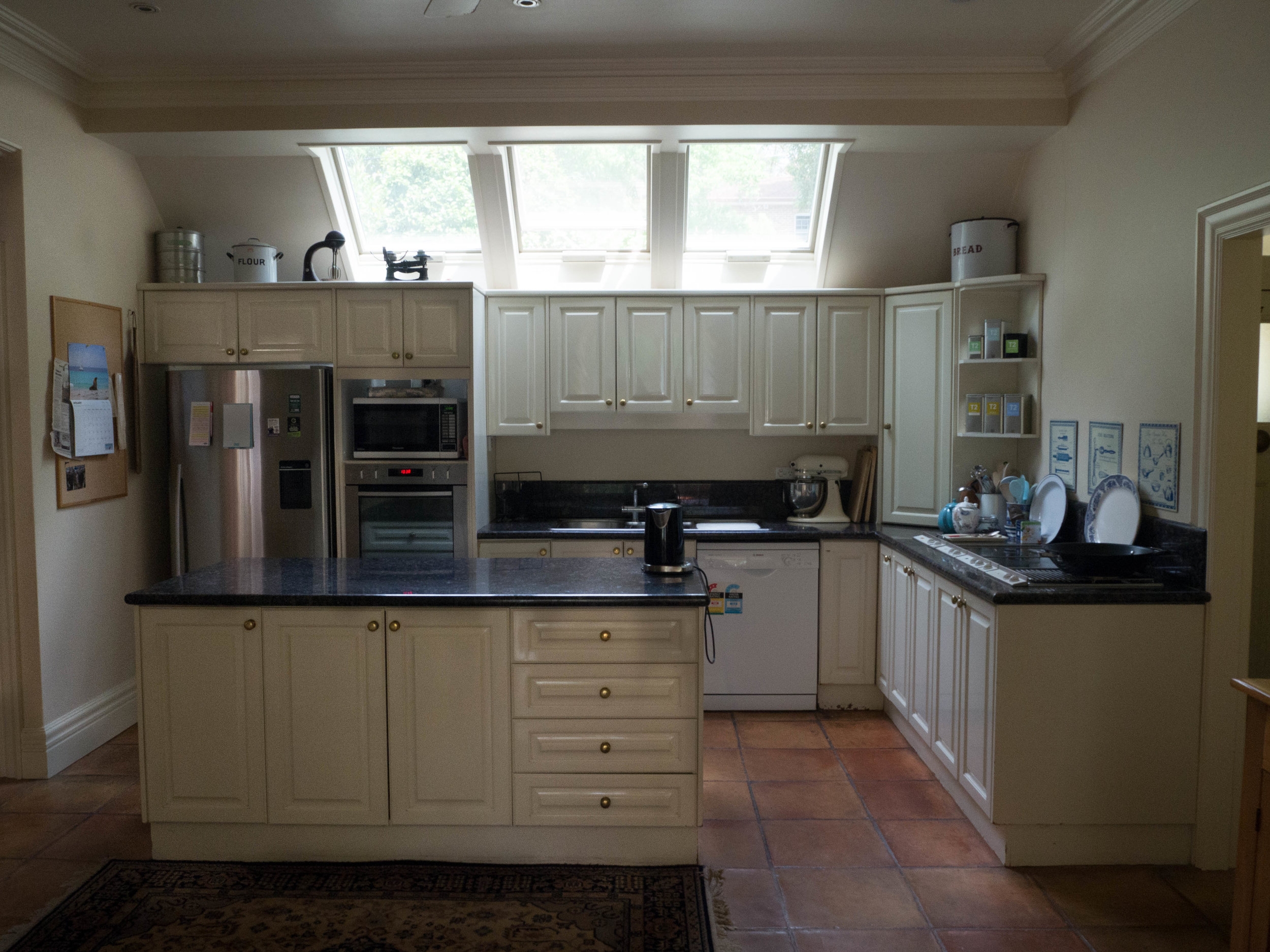
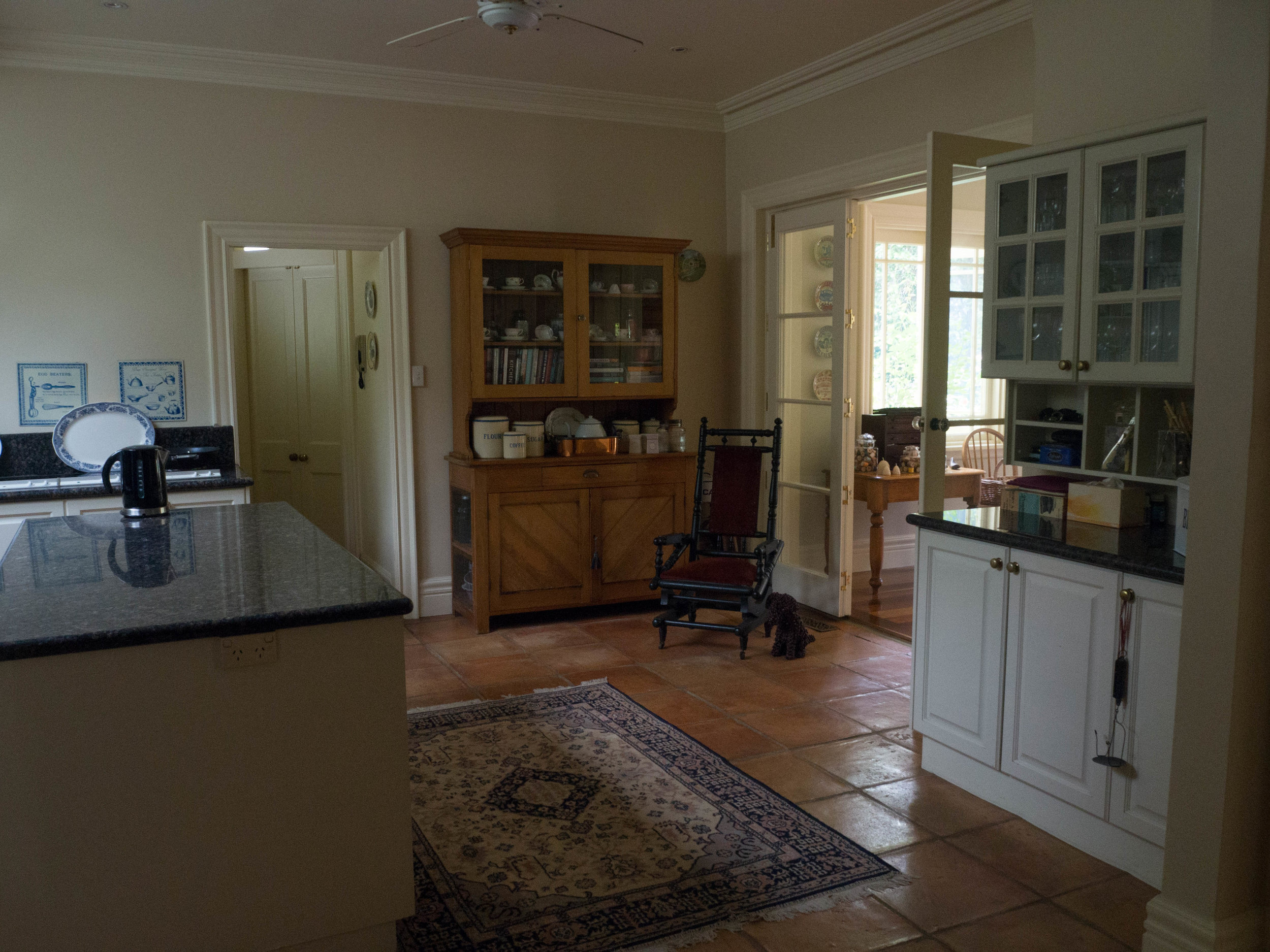
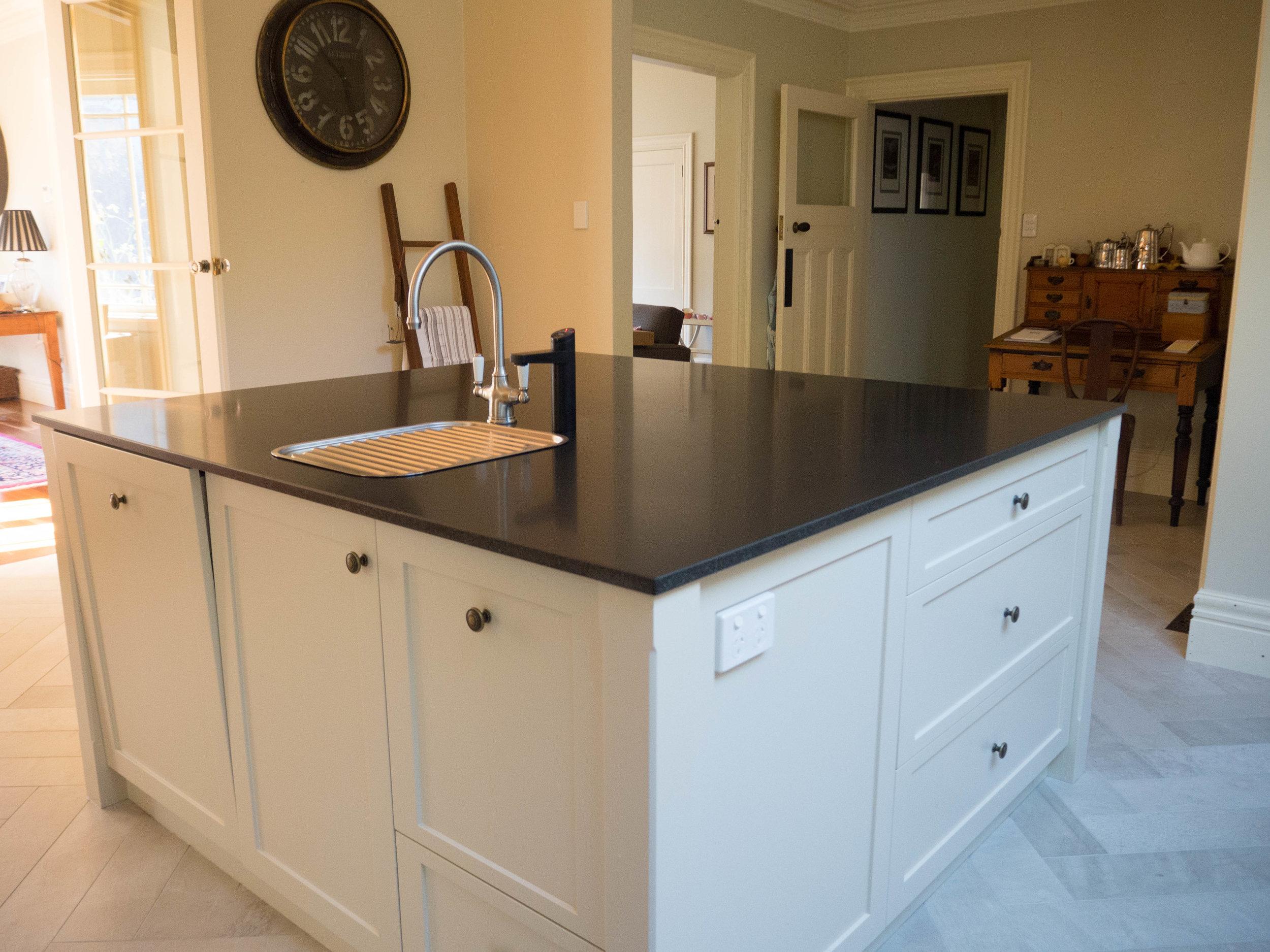
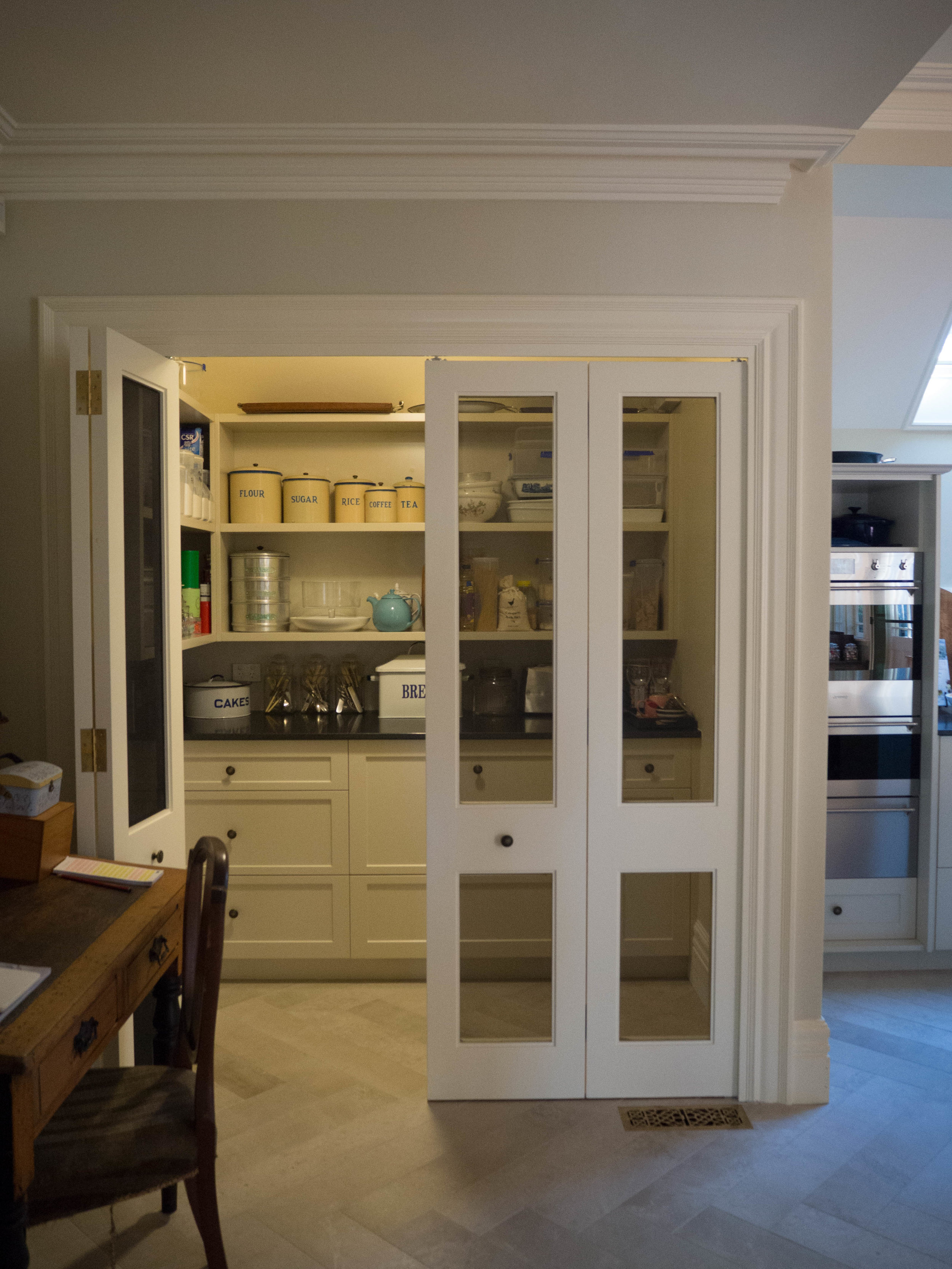
I have also added a few before and after photos of the kitchen to this post - just in case anyone was interested to see what I kept going on about for 4 months! As I mentioned in my last post, I am spending as much time as possible in the kitchen now, and am really enjoying being able to bake again. Making something like this Blood Orange Chiffon wasn’t at all possible for a while there, and I am so so happy it is all over and done with now! 

Click on the gallery below to check out the old kitchen vs the new kitchen!

Old Kitchen
Old Kitchen
New Kitchen
New Kitchen
Old Kitchen
Old Kitchen
New Kitchen
New Kitchen
Old Kitchen
Old Kitchen
New Kitchen
New Kitchen
Old Pantry/Food Storage
New Pantry
New Pantry
Old Kitchen New Kitchen Old Kitchen New Kitchen Old Kitchen New Kitchen Old Pantry/Food Storage New Pantry

Blood Orange Chiffon Cake

Ingredients: 

175 g self-raising flour

35 g plain flour

1 tsp cream of tartar

6 eggs (large), separated

345 g caster sugar

1/2 tsp vanilla extract

finely grated zest of one small/medium blood orange

170 ml blood orange juice, strained of pulp

80 ml vegetable oil 

3-4 springs of rosemary


Ingredients for Icing:

2 cups icing sugar, plus extra

juice of 1-2 blood oranges 

sprigs of rosemary (with flowers if possible), for decoration


Method:

Pre-heat oven to 180 degrees Celsius. Have an angel cake tin ready and nearby but do not grease it. The tin should not be a non-stick tin as the cake needs to cling to the sides of the tin as it cooks. 

Place rosemary into the oil, and leave to infuse. If you have time, leave it for as long as you can. Mix it about and squash into the oil to release some more flavour. 

In a small-medium bowl, sift the flours and cream of tartar three times. 

Using an electric mixer, beat the egg yolks with 1 cup of the sugar, until pale and creamy. If you have a free standing mixer with a paddle attachment, use this attachment for the egg yolks and save the whisk for later. Once pale and creamy, add the vanilla and blood orange zest. Remove the rosemary from the oil, and discard. Place the oil and blood orange juice in a jug and along with the sifted flour mixture, add to the yolk mixture while the mixer is beating on a low speed. Beat only until just combined. 

Using a separate bowl, whisk the egg whites using an electric mixer until soft peaks have formed. Add the remaining sugar, and whisk until the peaks are stiff (but not dry). 

Gently fold the egg yolk mixture into the egg whites with a metal spoon, a third at a time. Continue to gently fold until the mixtures are just combined. Do not over mix. 

Transfer the mixture to the cake tin and bake for 1 hour, or until a skewer inserted comes out clean. 

Immediately upon removing the cake from the oven you must invert the cake (stand it upside down). Using the hollow centre of the cake tin, place the cake upside down on the neck of a bottle and leave to cool. This process will stop the cake collapsing. This is also the reason for not greasing the tin, as you don’t want the cake to slide out at this stage.

Once the cake is completely cool, use a small serrated knife to cut the cake out of the tin. Start with the outer sides then lift the cake out using the bottom of the pan. Then carefully cut the cake off the base of the tin. 

Carefully place cake on serving plate or cake stand. In a medium bowl, sift in the icing sugar. Gradually add the juice of 1 blood orange. Stir until well mixed and add more icing sugar if the mixture is too wet, or more blood orange juice if it is too dry. The consistency shouldn’t be too thick, as it should be able to run down the sides of the cake, and not weight the top of the cake down. Gently drizzle/spread the icing over the cake and arrange the rosemary sprigs around the top of the cake. 

When serving, cut the cake with a serrated knife. 

Reference: ‘The Monday Morning Cooking Club’ by Merelyn Frank Chalmers, Natanya Eskin, Lauren Fink, Lisa Goldberg, Paula Horwitz and Jacqui Israel (2011), p 35.

In Cakes & Slices Tags Blood Orange, Chiffon, Cake, Rosemary, Kitchen renovation, Monday Morning Cooking Club, Dairy Free
Comment
  • The Blog
  • Older
  • Newer

recipes

  • Biscuits/Cookies 40
  • Breads Etc. 9
  • Breakfast 7
  • Cakes & Slices 68
  • Confectionary 5
  • Drinks 6
  • Events 14
  • Food Photography Tips 3
  • From The Mailing List 24
  • Heirloom Recipes 12
  • Holidays 45
  • Ice Cream 9
  • Jams Preserves & Spreads 9
  • Muffins 4
  • Off the Shelf 51
  • Other Desserts 25
  • Savoury Dishes/Meals 15
  • Scones 4
  • Tarts & Pastry 9
  • Travel 13

Sign up to Friday Food Chat with Kath, a weekly newsletter for more food, baking, cookbook chat and more!

Sign Up Here!
instagram-unauth pinterest facebook url

Website Accessibility: To enable text to speech function on the blog, click the sound button to the right of each blog post.

All images & content are the property of Kathryn Vincent, unless stated otherwise. Please do not use without permission.

Kulinary Adventures of Kath

Food Photography, Recipes & Baking

instagram-unauth pinterest facebook url